


Google is integrating a host of new AI features into its search engine, calling it the ‘biggest upgrade’ to the search box in over 25 years.
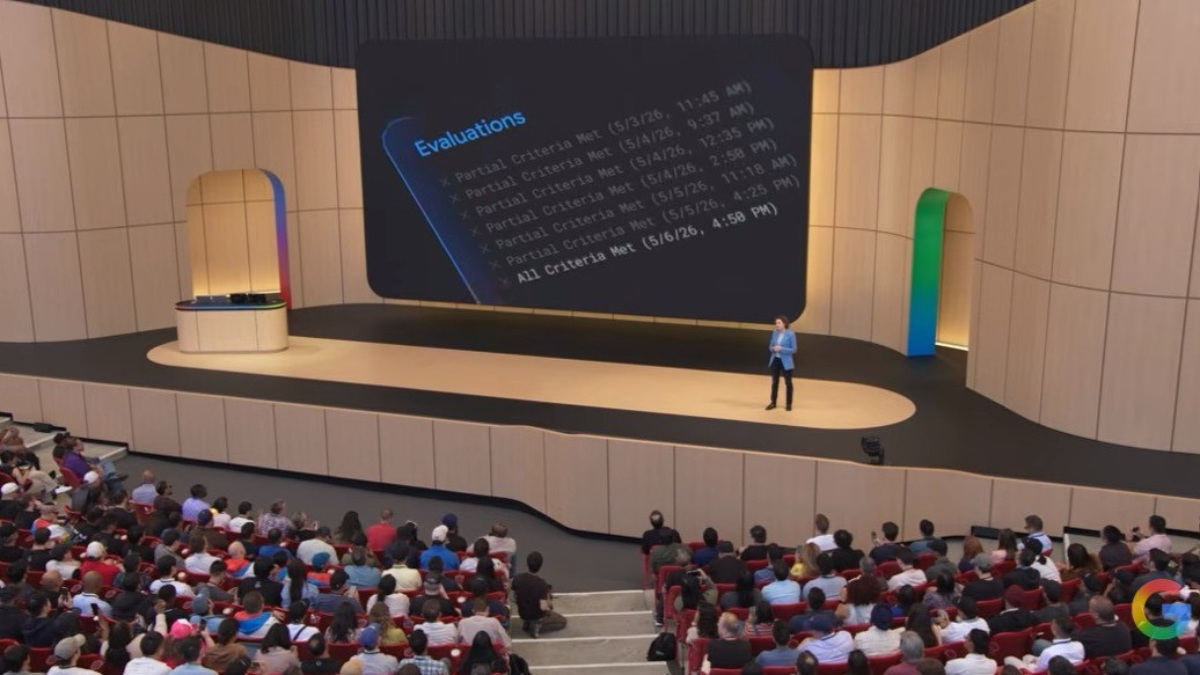
Announced at the I/O conference on Tuesday (19 May), Google said that its new ‘intelligent search box’ — powered by Gemini 3.5 Flash — would include its ‘most powerful AI tools’. The search box has been tweaked to encourage longer, more specific queries, and users can now ask follow-up questions about the AI Overview response.
The changes make searching feel functionally similar to interacting with a chatbot. Try Googling something today and you’ll see the increased efforts to funnel you into a dialogue with AI.
At the moment, the traditional blue-link results will still appear, albeit placed below the initial AI result. But the company made clear the direction of travel. ‘Google Search is AI search,’ said Elizabeth Reid, VP of search.
This summer, Google search will be kitted with more ‘agentic’ functions. Users will be able to direct information agents to keep them abreast of developments. For example, if you are house hunting, you can give the agent a list of your requirements and it will notify you when a suitable property comes up. Booking capabilities are also set to be expanded, with agents even able to call businesses in select categories on your behalf.
Fundamentally, these changes demonstrate that Google’s metamorphosis is at a tipping point. The company was blindsided by the eruption of ChatGPT at the end of 2022, and it has spent the last few years dedicating all resources to winning the AI battle.
While it has invested and promoted its own chatbot heavily, Google’s trump card has been its search empire. Instead of trying to bring people to Gemini, its main strategy has been to bring Gemini to the people through search. The introduction of AI Mode and AI Overviews last year was the major change, but this week sees the line between search and chatbot blur. Expect that line to disappear in the coming months and years.
Those reliant on search referrals have felt this squeeze longer than most. Even before AI became the hot topic, Google showed it was prioritising walled-garden control over its historical role as the gateway to the web. The updates this week mark the completion of that strategy. Condé Nast CEO Roger Lynch’s statement last week that he is directing brands to plan as if search traffic will be zero seems very prescient.