


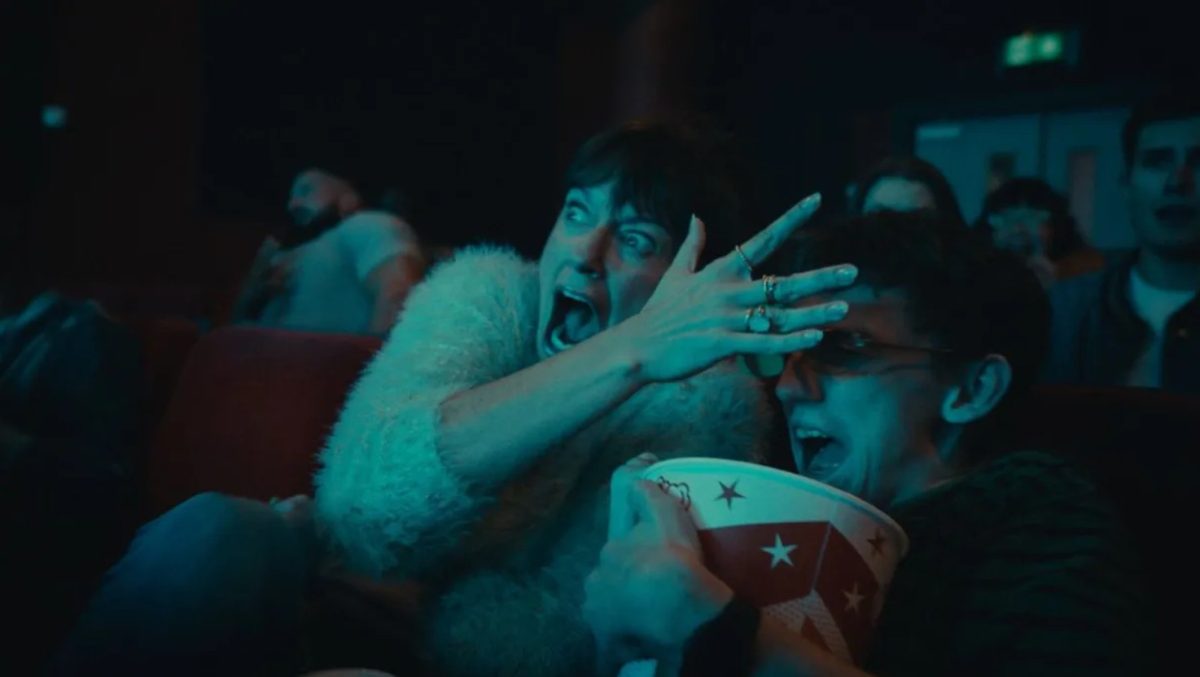
Horror is ‘having its moment’ with brands, according to Michael Tull, head of strategy and insight at DCM.
Tull told MediaCat that while horror traditionally has a hard time attracting brand spend, ‘this has begun to change quite significantly’ as horror audiences grow.
The cinema advertising company’s research shows that the fanbase for horror as a genre has grown by 80% in the last decade, and Tull says that this data has allowed them to ‘make a more compelling case to brands that allays any pre-existing fears of negative association with horror content’.
It’s not just a British phenomenon, either. Research group NRG also found that in eight of the nine markets surveyed, more than half of all audiences either love or like the genre, rising to 72% in the USA and 64% in the UK. Japan was the only market where less than half of respondents liked the genre, with European countries outside of the UK generally hovering a little above the 50% mark.
One example of brands capitalising on the horror revival highlighted by Tull was Pot Noodle. ‘The Dreaded Slurp’ campaign, created by Adam&eve/TBWA, showed a crowd of horror filmgoers being traumatised by the sound of a Pot Noodle slurped. The snack brand also sponsored DCM’s horror-film package, Dead Good Films.
Tull said that the campaign demonstrated by way of ‘a tongue-in-cheek hero spot, a re-brand of the Turn Your Phone Off message and a bespoke DCM ident’ that that horror advertising ‘done right’ can be hugely successful.
Pot Noodle’s campaign ran from the end of 2025 to April, taking advantage of February’s status as a ‘dump month’, during which low-budget films are released to low-budget expectations. For most genres, the dump month means a drop in quality, but horror movies are an exception that often performs well on a low production and marketing budget. High-grossing horror movies like The VVitch, The Silence of the Lambs and The Woman in Black all released in February.
Scream 7 was also released this February and attracted sponsorship from a major brand, with Hershey running activations in several countries (including the UK, Germany, Mexico and Puerto Rico) where the company hopes to replicate the US confectionery’s domination of Halloween.
Horror audiences are surprisingly reliable, which makes them attractive to brands. While horror movies are consistently underrated by critics and awards juries, audiences continue to show up for low-budget horror sequels. Leading horror magazines, like The Dark Side, or podcasts, like The Evolution of Horror, will recommend audiences go see a bad film on the basis of just one scene.
Simon Rumley, director of The Living and the Dead, told the BBC in 2018: ‘There are no clear-cut formulas for making money in the film business, but one thing has become certain: horror still has the capacity to be the most profitable genre in the industry when you balance money invested (ie, not much) against money returned (ie, sometimes a lot). No A-listers are necessary. A grass-roots campaign with an effervescent and vocal community can kick-start a film’s online presence. Why spend $150m (£112m) when you can spend $3m (£2.25m)?’
This is as true for brand marketers as it is for movie studios. Nobody is going to look at The Mandalorian and Grogu’s placements on Wotsits packaging or The Devil Wears Prada 2’s prominent OOH with Diet Coke and think that’s a bad deal for the brand — but Hershey and Pot Noodle may turn out to have arranged a savvier one.