


This is not a list of predictions for what will win big at the Cannes Lions International Festival of Creativity. We do predict that some of these entries will take home a Grand Prix or two, but that’s incidental to the purpose of this article.
Rather, we have highlighted case studies that we think reflect prevailing trends in media or have something interesting to say about the direction that media innovation and creativity is headed.
Of course, these are just informed guesses. MediaCat will be in Cannes next week to gather information from jury members and other industry experts, and just generally see what’s what. Then we will distill what we’ve learned into an insight-packed presentation and report. If you’d like to know more about how we could deliver these insights for your team, click here.
Dark Mode Ads for Plenitude by LePub

What is it? Software that changes the colours in ads, so that they consume less energy when displayed on LED billboards without becoming dull or hard to see.
MediaCat’s verdict: It’s been shortlisted for an Innovation Lion, and we’d be surprised if it didn’t do well in the Media and Outdoor categories, too. The claim that Dark Mode Ads remain just as visible as regular billboards ‘while using up to 74% less energy’ isn’t entirely reassuring. But if it amounts to even a moderately significant reduction in energy consumption, we’re all for this becoming an industry standard. Not least because Dark Mode Ads just look cooler than regular ones.
Reverse Media Schedules for JCDecaux and Sea Cleaners by Dentsu Creative

What is it? A fundraiser for Sea Cleaners that quantifies the harm done to brands when people see their packaging as litter, and then asks companies to contribute to the clean-up as an act of self-preservation.
MediaCat’s verdict: Algorithms have convinced us that the surest way to sound insightful is to reframe something. That’s why the ‘it’s not X, it’s Y’ sentence structure has taken over our language. It’s so easy that even LLMs and people on LinkedIn can be proficient at it. As such, we expect to see a lot of reframing among the entries at Cannes this year. Some of them might even be quite good. Reverse Media Schedules is likely to be the best example, though, and years of experience tell us that campaigns about advertising do disproportionately well at Cannes, so we expect this to earn at least one Grand Prix. If only we were as confident that it will inspire many companies to open their wallets…
Pixel Cam for Google by Jung von Matt

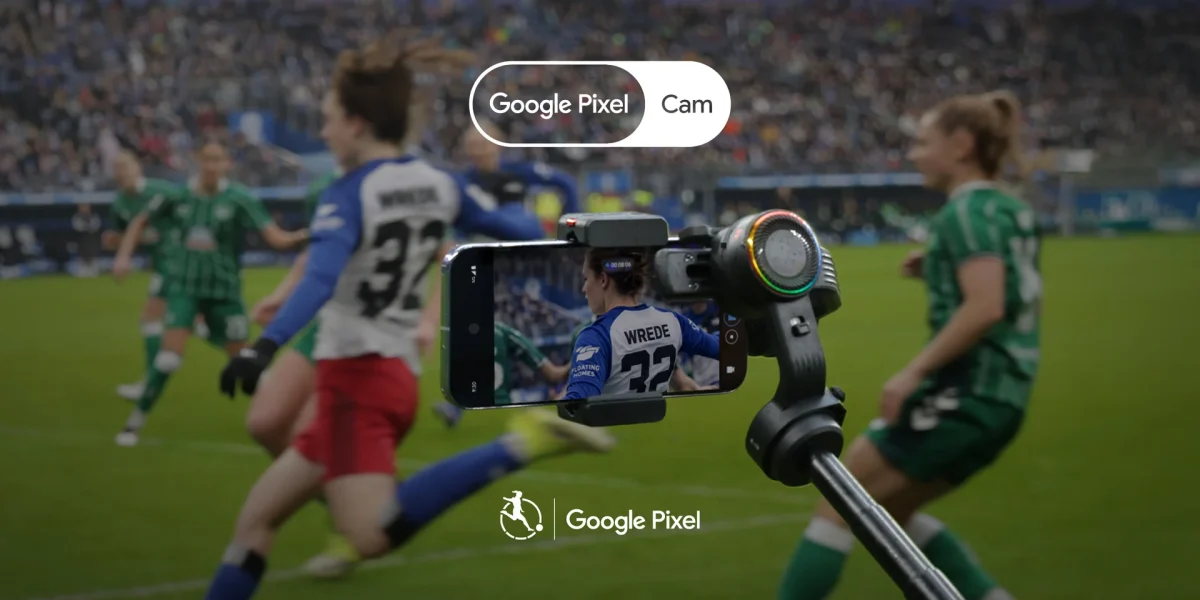
What is it? Google Pixel 10 smartphones being used to provide extra camera angles during broadcasts of Women’s Bundesliga matches, which usually only have a fraction of those used in the men’s game.
MediaCat’s verdict: We’re going to go out on a limb and predict that this campaign is going to be unfairly overlooked at the awards, given that it hasn’t even been shortlisted for the Glass Lion. Which would be a shame because it’s not only a fantastic product demonstration, it’s a rare example of a brand improving a media experience for fans on a significant scale.
The Sound of Competition for Clash Royale by David, New York

What is it? Globo TV network played Clash Royale’s sonic logo during its broadcast of the Copa do Brasil football tournament final — at the kick off.
MediaCat’s verdict: The Copa do Brasil isn’t some second-rate tournament; it’s like the FA Cup, except clubs actually care about it. So, while this campaign isn’t especially innovative, it represents the kind of media placement that marketing dreams are made of. Globo seems to be especially amenable to partnerships like this. It worked with Mercado Libre on the Handshake Hunt campaign, which won a Grand Prix at Cannes in 2024, for linking to the retailer’s website when people on shows shook hands (because that’s the brand’s logo). We wonder if audiences have any complaints about this level of commercialisation?
Showing Up Loud in AI Search for JBL by JBL

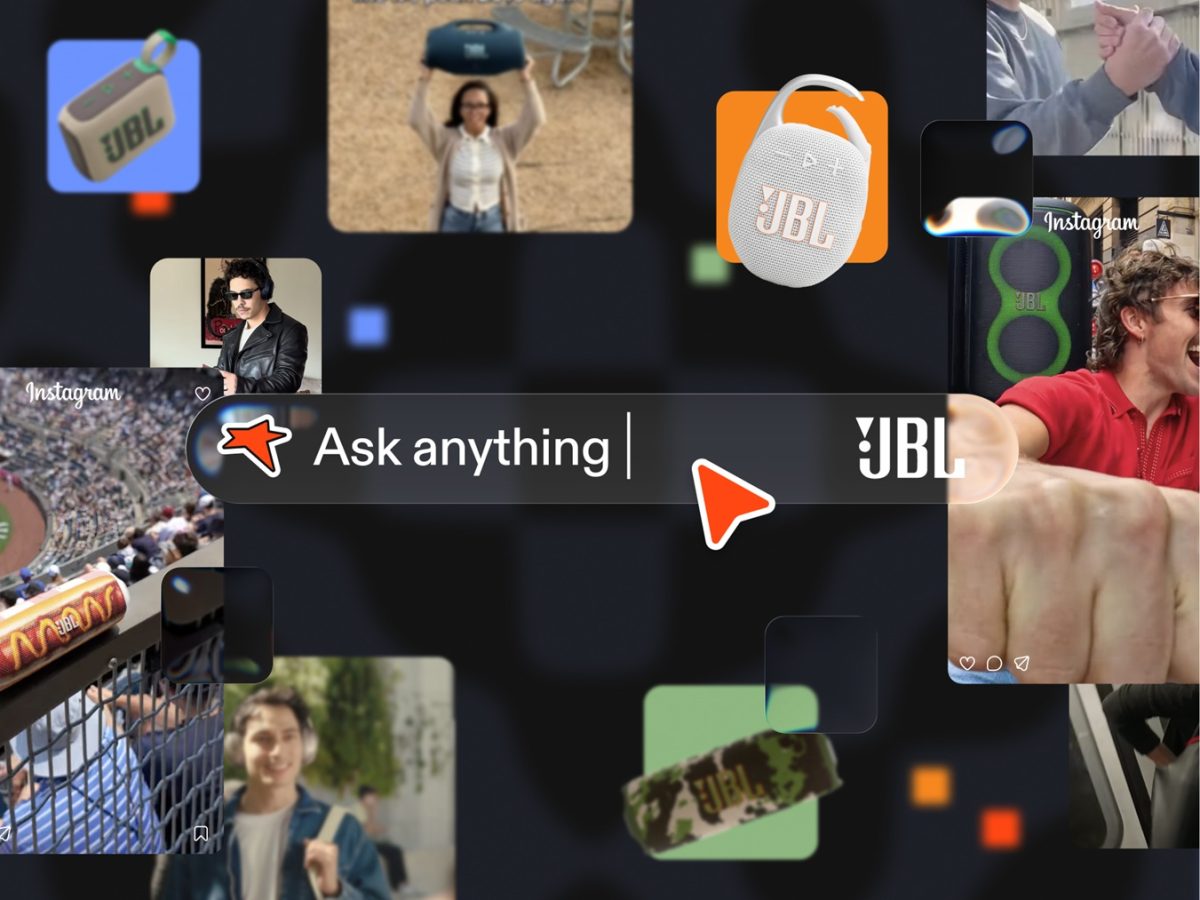
What is it? Speaker brand JBL claims it’s built a first-of-its-kind framework for getting brands into LLM responses — a GEO case study, basically.
MediaCat’s verdict: The 2,434% year-on-year increase in LLM referrals reported by the brand sounds remarkable until you consider that it was likely from a low base, and also that algorithms are easier to influence when there are relatively few brands trying to game them. Still, you can’t deny that GEO is a priority for brands at the moment, and we’re interested to see whether this campaign is acknowledged and rewarded at Cannes on that basis.
Custom Billboards for Mercado Libre by GUT

What is it? Billboards that deliver ads personalised to passers-by based on how they are dressed or what they’re doing (eg, walking a dog).
MediaCat’s verdict: If the technology works as it’s described in the case study, it’s impressive. But that’s a big if, and, to be honest, we’re not even sure how awards juries can assess the validity of entries that are essentially algorithmic black boxes. Nor are we sure how people will ultimately respond to personalised ads in public spaces — because it shouldn’t just be assumed based on what works within social media. But media owners are under pressure to demonstrate they can connect brands with likely buyers. So this activation is an interesting test case in several respects.
The Lego Formula 1 Drivers’ Parade for Lego by Lego

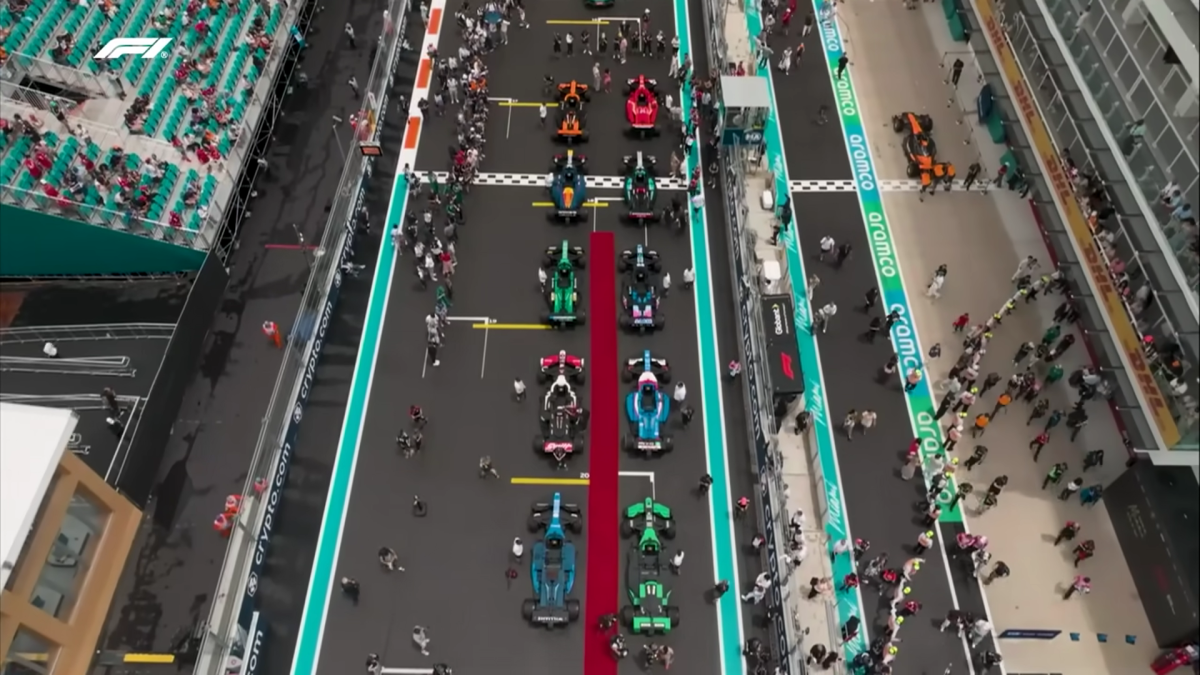
What is it? Formula 1 drivers doing the parade lap at the 2025 Miami Grand Prix in near 1:1 scale Lego-brick replicas of their cars.
MediaCat’s verdict: The importance of sports and sponsorship to marketers has increased dramatically as the online media ecosystem has fragmented, and so there should be a commensurate increase in sponsorship activations being awarded at Cannes. Though technically a licensing agreement, not a sponsorship, Lego’s work with F1 is a best-in-class example of how to leverage the IP of rights holders to build your brand, driving 236,000 new shoppers to Lego’s ecommerce site.