


Live viewing is down by 15 percentage points from three years ago, according to Barb’s 2025 annual report.
Last year, live programming made up 45% of TV viewing, compared with 60% in 2022. On-demand streaming accounted for 38% of viewing. The remaining 17% was spread across smaller categories, like ‘viewed on the same day as live’, which represented 6% of TV-set viewing.
While this does show live TV still makes up a large share of viewing, the decline is steep, and this data from Barb does not factor in viewing on other devices, very little of which is likely to be spent with live programming.
Barb’s household WiFi tracking shows that the TV is now the ‘primary way’ YouTube is watched in UK homes, but that doesn’t detract from the large amount of online content still viewed on devices.
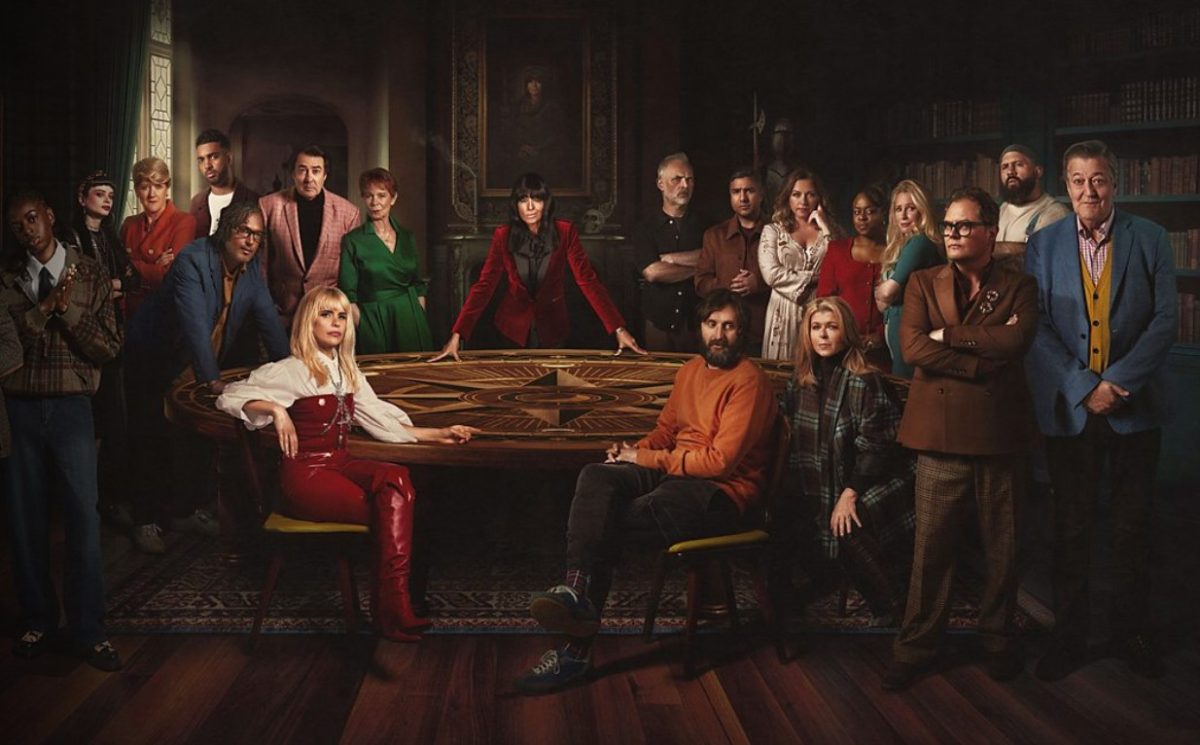
The report notes that big shared viewing moments like the UEFA Women’s Euro 2025 final drew the largest live TV audiences, with 94% of the 9.8 million who watched it doing so on a TV set live; as did the Celebrity Traitors final, with 93% of viewing taking place on a live TV. The report adds that in addition to these big, one-off moments, ‘comfort’ TV series also pull in a disproportionate number of live viewers. For example, 58% of Gogglebox viewers watch it on live TV, and another 18% watch it the same day as broadcast.
By contrast, the report shows dramas that achieve significant cultural momentum, like Adolescence and Reacher, perform well within on-demand services when first released. However, these series are ‘eventually dwarfed’ by the viewing numbers of popular back-catalogue shows, such as Friends and The Big Bang Theory.
The report also states that 37% of viewing sessions start on one of the ten most popular TV channels (unranked: BBC One, BBC Two, ITV1, ITV2, ITV3, Channel 4, E4, 5, U&Drama and Sky Sports Main Event), although younger audiences were more likely to go straight to Netflix, and kids (aged 4 to 15) typically made a beeline for YouTube.