


‘It takes a big idea to attract the attention of your consumers. Unless your advertising contains a big idea, it will pass like a ship in the night.’ — David Ogilvy
Yes, referring to Ogilvy is a bit of an eye-roll-inducing move (‘look at me, I’ve read an advertising book’), but let’s face it, the man was right on this one, and he still is.
The Guacamole Chicken Burrito is a beloved fixture of the Taco Bell Spain menu, so the brand could be forgiven for playing it safe and just focusing on the product.
Instead, it’s used a bit of nifty comms planning to take the campaign out of the marketing middle lane, linking guacamole to avocado toast in order to get noticed by the right people.

The boomer refrain that young people could afford to buy houses if they stopped spending all their money on avocado toast has passed into the stuff of internet legend.
In Spain, rent costs swallow nearly the whole paycheque each month, and 85% of 18- to 29-year-olds in Spain are stuck living with their parents (whilst short term holiday lets continue driving rent increases in major cities). It’s a firm foundation for an idea, but it’s not a real sledgehammer insight in my opinion.
The real power here is in the idea and execution.
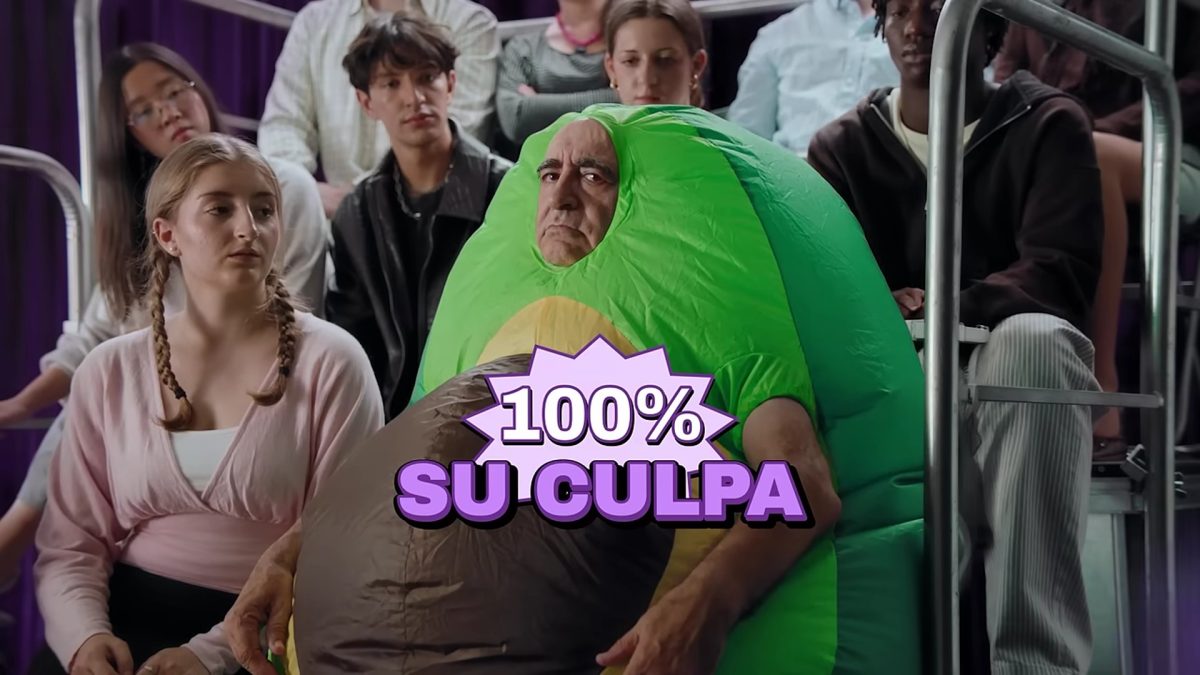
Taco Bell launched ‘Guacabono’ — a portmanteau of ‘Guacamole’ and ‘Bono’ (which means grant/voucher in Spanish) — offering to pay off a year’s rent for one lucky customer. All they had to do was buy the burrito and then register the purchase on the Taco Bell app for a chance to win. Sometimes going route-one with an idea just works.
There are three things that I really enjoyed about the execution of this idea beyond the fact that the creative isn’t just them saying ‘Mmmm! Guacamole y Pollo que rico!’ :
They’ve switched dress codes depending on the platform
Content needs to switch dress codes between platforms (eg, formal on Youtube, smart-casual on Insta, PJs on Tiktok), and Taco Bell has moved between these codes with skill on this campaign, all the while keeping a slightly unhinged humour reminiscent of the Eric Andre show at the core of the execution.
A quick glance at the numbers shows how well this has worked: Youtube > two million views; TikTok c.3.4 million — compared to the numbers on their more rational product content which tends to sit in the low 100k views.
There’s a move into social ‘world building’
Worldbuilding is little more than excellent comms planning in my opinion, but Taco Bell has started leaning into it. The man in the avocado suit has started to appear in subsequent videos across TikTok and Insta, showing how it feels to have an avocado pay your rent for you for a year, giving the campaign additional mileage.
It’s a continuation of their commitment to showmanship
In a world in which the content conveyor belt zips past at breakneck speed, simply throwing one idea out into the world and hoping that people notice doesn’t really cut it anymore. ‘Guacabono’ is one of many ideas clearly built for the entertainment apps (I’m slowly abandoning calling them ‘social media’ because they’re not really social now.), alongside the frankly excellent creation of taco studs for football boots earlier in the summer (in Spain, studs are referred to as ‘tacos’).
Excellent comms planning is where the media plan serves to make the creative idea bigger and better, so without being able to have a nose about through Taco Bell’s media plan, here’s a couple of things I’d do if I were planning this campaign:
- I’d make sure that the winner of the content was celebrated in the follow-up. This is the sort of competition that people get skeptical about, by showing it’s real, you could make it hit even harder when it’s brought back next year.
- I’d be giving out a very limited number of golden avocado key rings out with Chicken & Guacamole Burrito meals. Make them solid gold. Make them something to build hype around the campaign.
Shout out to the independent Spanish agency, Fuego Camino Conmigo, for making this happen. You turned a returning product launch into something that made millions of people stop scrolling and take notice. A big idea even Ogilvy would have been proud of.