


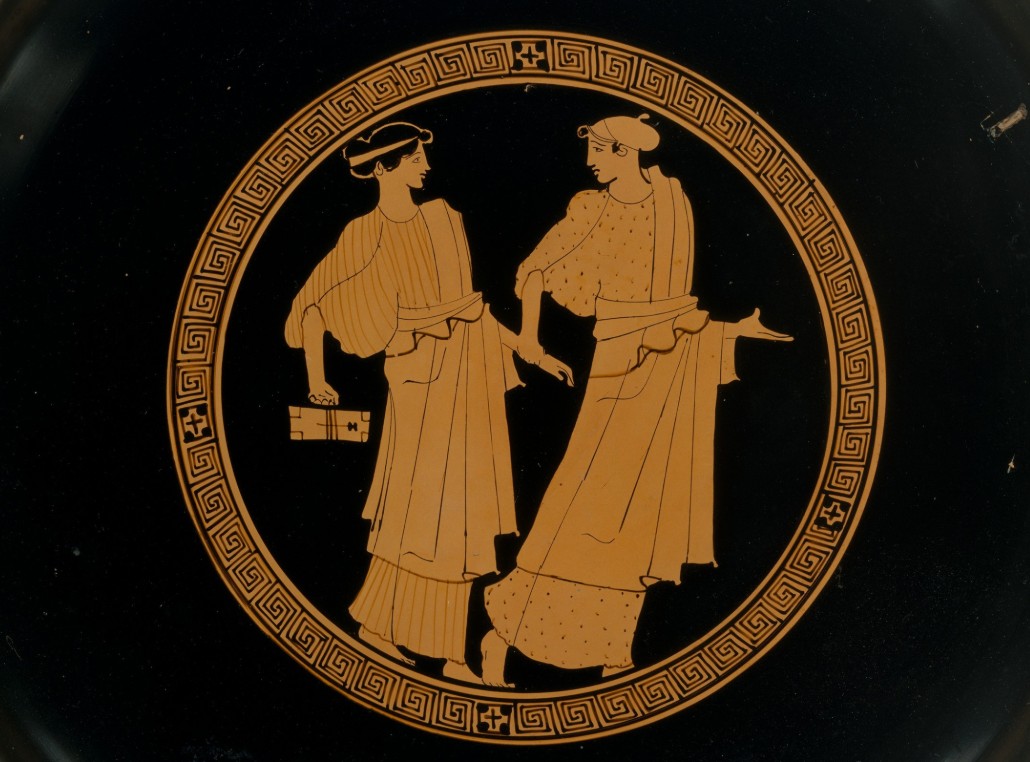
Blaming new technology for rotting young people’s brains is a millennia-old tradition that’s been aimed at video games, TVs, jukeboxes, bicycles — even wax tablets*.
So the panic about the effect of social media on teenagers’ wellbeing was to some degree inevitable. But it is surprising just how much the marketing industry has accepted this narrative about platforms.
It’s not just among those with vested interest in promoting competing advertising channels, either. MediaCat hosted a roundtable discussion on influence the other week and one attendee, someone who worked in social media themselves, quipped: ‘Who thought when we started out taking pictures of our food on plates we’d end up with a mental health crisis?’
But two recent studies, which both explored directly the correlation between social media use and wellbeing among young people, have raised fresh doubts about the extent to which social media is harmful.
‘Both heavy use and no use at all were linked with poorer outcomes,’ concluded the lead author of a study in Australia, which was published in JAMA Pediatrics last month. Another study, published in the Journal of Public Health in December, also decided social media is not ‘a major causal factor in [teens’] mental health difficulties’.
Part of the problem is that social media platforms have made themselves easy to demonise by being rapacious, and by moving fast and breaking things. There’s little evidence these platforms would do anything differently, even if compelling evidence emerged that their product was harming kids.
But personally, I’m glad I was on social media in my teens. It was on social media that I realised I was queer — a throwaway sentence in a blog post that told me there were other people out there like me. It was on social media that I met people with whom I’ve gone on holiday and traded gifts across continents and stayed up gossiping over video calls until dawn. It was on social media that, when I was 19, a stranger saw my panicked posts about struggling to afford groceries and sent me £100 with no questions asked.
I don’t mean to disregard the dangers. The same month that kind stranger paid for my groceries, an equally anonymous homophobe was spamming me with photos of mutilated animals.
I worry about children putting their lives on display to strangers, teenagers stumbling into radicalisation pathways, young girls seeing edited body after edited body until real flesh looks like an aberration.
But I also worry about children who make the most valuable connections of their lives online, who discover themselves through groups they would never interact with in person, who feel out of step with the world and find a rhythm with a stranger two time zones away.
It seems obvious to me that there are advantages and disadvantages to social media, for young people as much as for anyone else. Indeed, I find it hard to imagine a societal change this huge for which that isn’t true. The question, then, is not ‘is social media bad for kids?’, but ‘can we legislate away the harms of social media without also legislating away the good — and if not, is it worth it?’
That is a question which can only be answered by careful study, analysis, and consideration. In other words, it’s a question which will not be answered on social media.
*Plato thought that his students learning to write (which, in his day, was done by practising on wax tablets) would destroy their ability to memorise long texts. To be fair, he was correct. To be less fair, he also believed that if a uterus went too long without a pregnancy, it would crawl up into the throat and suffocate you.