





The BBC’s rumoured deal to produce original content for YouTube is part of a strategy to appeal to Generation Alpha, according to a leading children’s media analyst.
The Financial Times reported last week that the BBC had partnered with YouTube to make programmes for the platform for the first time. Under the deal, which has not been officially confirmed, the broadcaster will produce shows for YouTube before they appear on iPlayer. Outside of the UK, these new programmes would carry ads, providing the BBC with an additional source of income.
The fact that shows would premiere on YouTube, rather than merely being hosted on the platform, marks a major departure for the BBC. Most analysis of the deal has focused on this being a changing of the guard moment — particularly as it came the same week as Barb reported that Brits [LINK] now spend more time on YouTube than on BBC content.
But Adam Woodgate, a children’s media specialist, thinks that much of the coverage has missed one of the key motivators for the broadcaster. He says analysis of the deal should focus on the type of content involved. While reports indicate that news and sports will be part of the deal, the primary focus is on programmes for young people and children — that is, content typically shown on BBC Three or CBeebies.
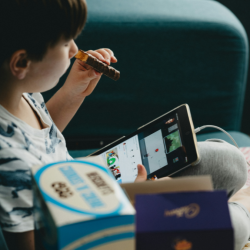
Woodgate, who worked for the BBC between 2011 and 2013, said: ‘This is about widening awareness of the BBC with the younger end of the market. YouTube is the default for a generation — a generation that curates a lot of their media lives on handheld devices.’
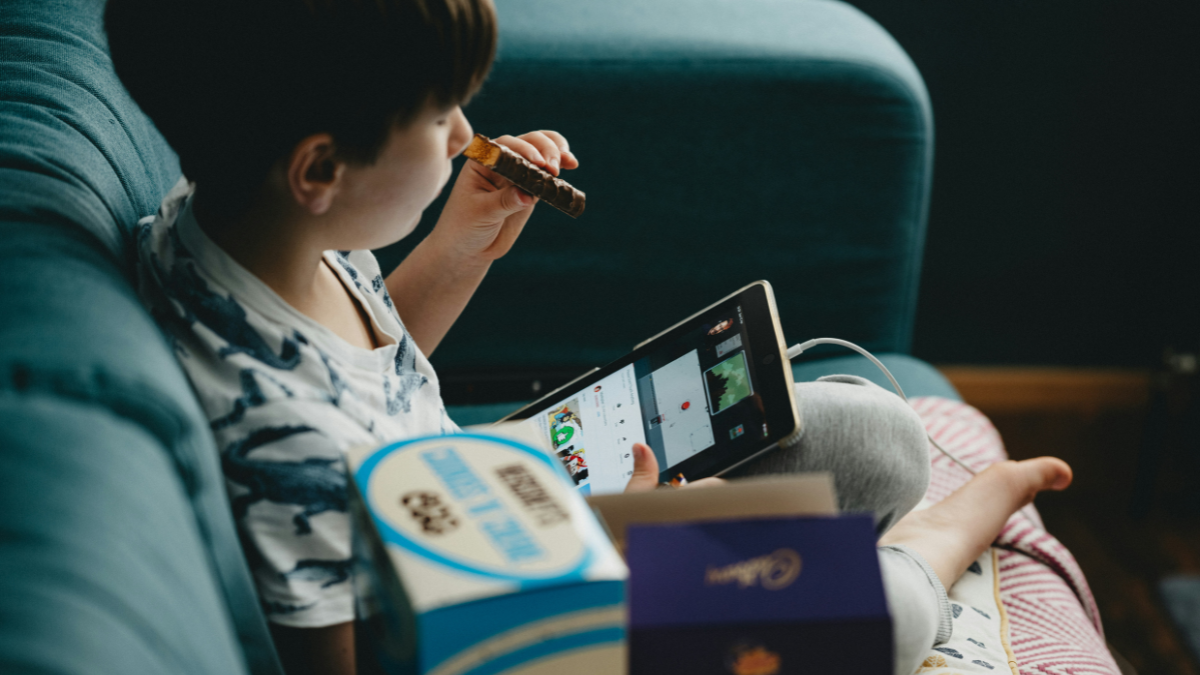
Ofcom data from last year revealed the extent of YouTube’s domination among kids. The platform is the top TV destination for four- to 15-year-olds, with one in five in this age group turning to YouTube first when they turn on the television, ahead of Netflix and far ahead of traditional broadcasters.
The rise of YouTube has been catastrophic for linear kids’ channels. ITV shut down CITV in 2023 to move young programming onto ITV2 and its streaming service, while the Pop and Tiny Pop channels were closed at the start of this year.
That has left the BBC as the only free-to-air provider of linear children’s television in the UK. There are no indications that it plans to close either CBBC or CBeebies, but the broadcaster recognises the need to modernise its strategy to appeal to Generation Alpha. In recent years, it has increased its presence on YouTube, hosting live streams and full episodes on CBeebies and CBBC channels.
The idea has been to use these platforms as a funnel, directing children and parents to iPlayer and terrestrial channels after engaging them with content such as Mr Tumble and Bluey for pre-schoolers, or Blue Peter and Horrible Histories for older children.
There is evidence that these efforts have been successful. The latest Ofcom BBC report shows the broadcaster’s share of viewing among four- to 15-year-olds rose from 34% in 2022 to 40% in 2024, while iPlayer accounts watching children’s content increased 10% year-on-year. Children’s perception of the BBC as helpful increased from 62% to 67%, while perception of high-quality content increased from 53% to 58%.
That success is what’s fuelling the rumoured deal to produce original content on YouTube. Woodgate unpacks the ‘platform-agnostic’ habits of children that informs the underlying plan. ‘Kids are incredible hunter-gatherers of content. If they see something on YouTube and like it, they will invariably hunt out more. And that’s where we see evidence of kids gravitating back to native platforms to see more.’
The potential YouTube deal, he says, should be viewed through that lens. ‘This is a two-prong approach. One is: “If our content is reaching an audience we’re not going to reach anywhere else, great.’” The second is: “Our content is reaching an audience that can hopefully drive them to watch us on our platforms.”’
Woodgate also points to Channel 4 as an example of how broadcasters can use YouTube to fuel growth. While Channel 4 doesn’t do children’s entertainment, it has increased its viewership among young people by releasing full content on YouTube. The broadcaster reported 175 million UK organic views of full episodes on the platform in 2025, up 56% year-on-year.
He believes BBC needs to follow that example and build a strong presence across multiple platforms. ‘It is really important that the BBC gets onto as many platforms as possible and, if necessary, tailors or creates specific original long and short-form programming designed for those audiences.’
Main image by Annie Spratt on Unsplash