








According to Ofcom, video sharing platforms now account for around 45% of daily viewing time for 16-24 year olds in the UK — triple the time they spend viewing broadcast TV.
Social media now proudly takes second spot — after TV — when it comes to yearly average media spends, as reported by Campaign.
In order to meet Gen Z where they already are, brands are increasingly looking for ways to blend into these consumers’ social feeds. As Kantar’s latest report states, social media users are posting less frequently and instead spending more time looking for something to captivate them.
So, instead of interrupting the scroll with ads, brands want to engage this audience with something they want to watch. The result? Brands are becoming entertainers, creating their own scripted series, panel games and dating shows to share on YouTube, Instagram and TikTok.
This concept isn’t entirely new. When AT&T created Guilty Party in 2017, it didn’t just want to create a scripted series, it wanted to give its audience the opportunity to interact and engage with the story and characters as the series unfolded. The nine short-form episodes hosted on YouTube featured social media influencers with a cumulative reach of over 38 million fans. AT&T also created social media experiences to support the show, including a Tumblr where fans submitted theories, a novelty Instagram that poked fun at the fictional high school, and an interactive Facebook Canvas ad featuring exclusive footage. And all of this was pre TikTok.
The magic lies in not just creating a TV show cut up for social but bringing the scale and creativity of TV while embracing the social first nature of the campaign. Using influencers with engaged audiences helped to add to the show’s credibility. And If the content is engaging, even without following the page, the algorithm will bring people back.
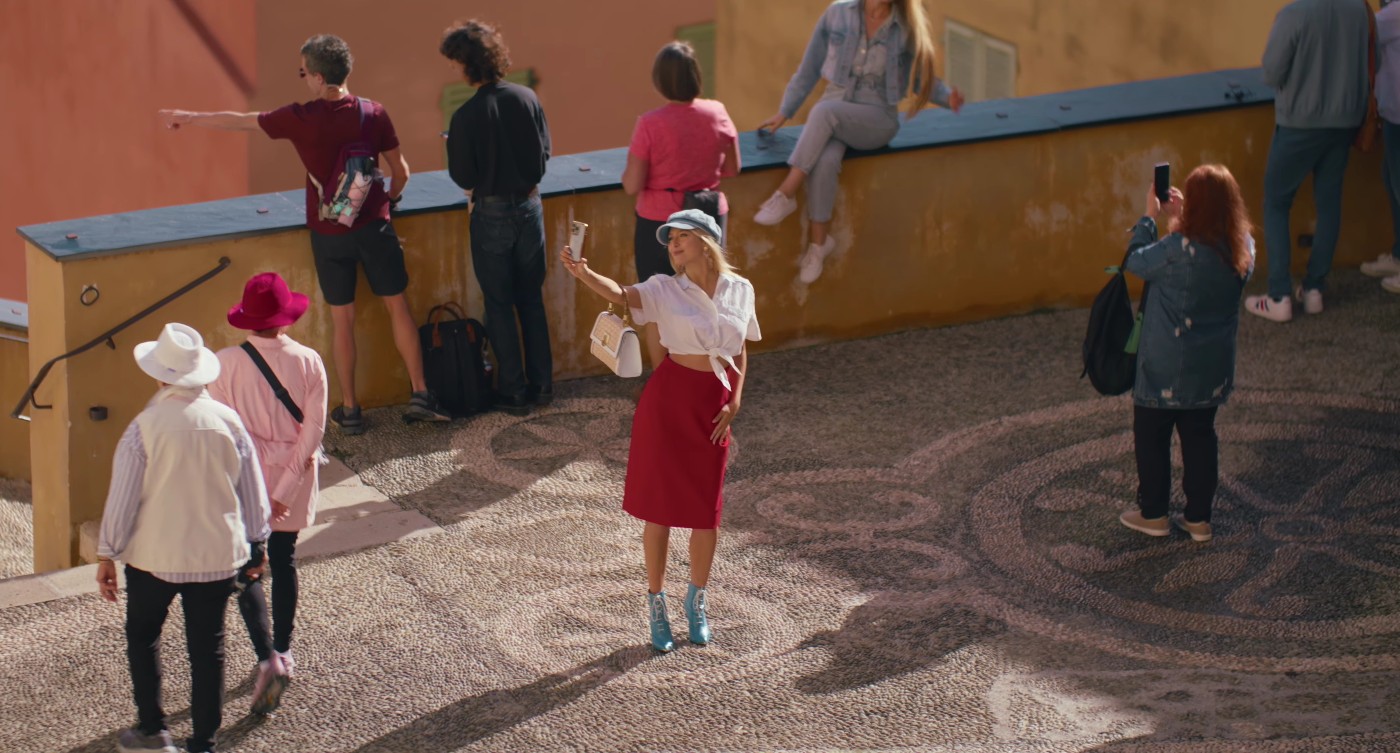
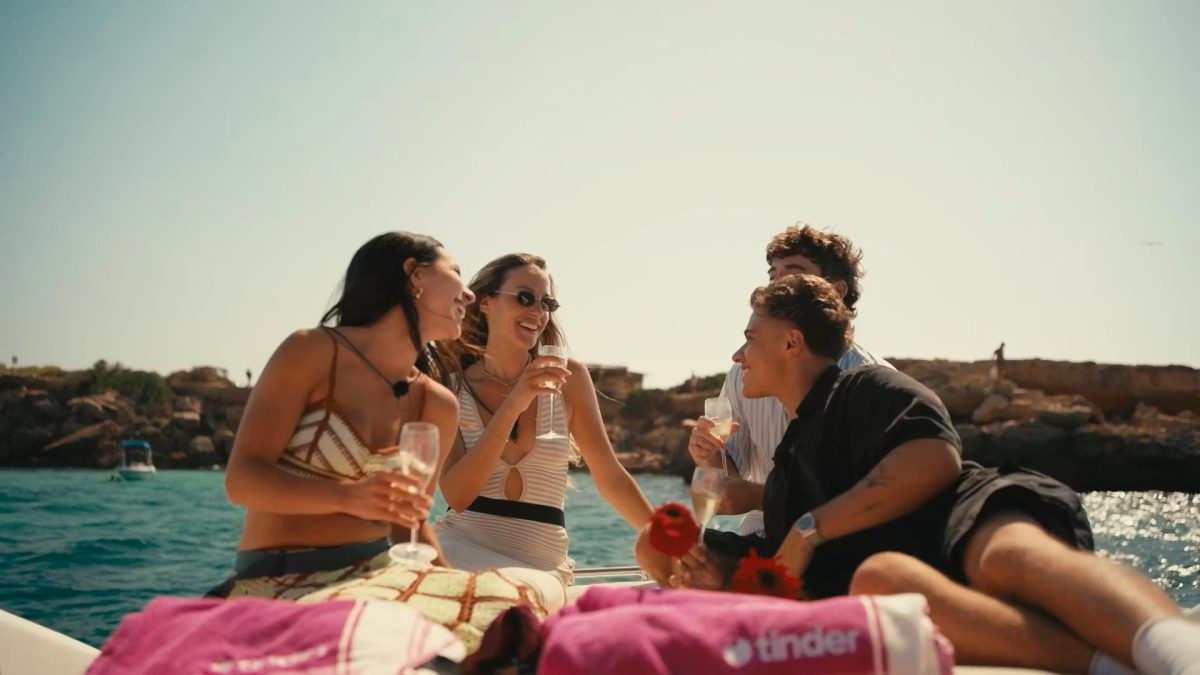
That was the intent behind the Double Date Island show that Raptor created for Tinder. The campaign brought Tinder’s new Double Date feature to life by sending creators on a real-life double dating adventure. Running across five European markets, the campaign introduced audiences to the feature in a fun, low-pressure, and socially driven way, mirroring how Gen Z already approaches dating.
Before the launch of Double Date Island, the famously single influencers built anticipation through their own channels, ensuring audiences were primed to watch. YouTube hosted the 20-minute episodes, while TikTok and Instagram cut downs drove traffic from both Tinder’s channels and each influencer’s fan base. The campaign fostered two-way engagement through comments, sparking conversations around the content and Tinder’s Double Date feature. Most importantly, the influencers weren’t acting, they lived the experience, it just happened to be in a fully branded villa, with beach club outings and partner activations that gave them even more content to share, amplifying the reach of the content far beyond the series itself. With 450 social assets delivered across 5 markets the campaign clocked up over 178 Million impressions.
Double Date Island isn’t just a one-off campaign. It’s a case study in where branded content is headed. Social content series like this, represent a powerful option when it comes to generating ongoing attention from younger audiences.
When rent-reward company Bilt created its scripted mockumentary series, Roomies, which premiered in June 2025, it was an investment for the brand particularly in terms of strategic focus, but also production, content creation, community management and performance tracking. It even made the bold move to share the content from a new account, @RoomiesRoomiesRoomies, to maximise viewership, as it didn’t want the show to be viewed sceptically as branded content. Roomies now has over 2.5Million likes on TikTok, with many people in the comments calling for a second season.
As the dominance of short-form vertical video has continued to grow we’ve seen brands like Bratz, L’Oreal and Pepsi backing this format. Pepsi MAX’s latest foray is a five-part Christmas series featuring ‘Pepsi Pioneers’. Steven Hind, the CMO of Pepsico Beverages in the UK and Ireland, has stated that bringing entertaining and relevant content to a Gen Z audience is a key pillar of the Pepsi MAX brand strategy.
For agencies, it requires a new set of skills, capabilities, and the right mentality.
Deep cultural understanding: To connect with Gen Z, you can’t just study them, you need to be embedded in their world. That’s how you create campaigns that feel authentic rather than forced.
A global footprint: Running a campaign across markets often requires onboarding influencers from multiple countries, each with their own cultural nuances. You need global reach but also local expertise.
Social-first production credentials: Creating social first, best in class long-form content, snackable cutdowns, and reactive social engagement requires a production team that understands how to build for digital from day one.
Idea to execution: It requires juggling multiple moving parts to bring these campaigns to life, from influencer casting to cross-market logistics, and cultural insights to social-first storytelling.
We’re entering a new era, shifting from consumer to audience, where brands don’t just advertise, they entertain. And as agencies we need to deliver entertainment, marketing, and social engagement rolled into one. Translating cultural insight into campaigns that resonate.