












Facebook may boast nearly 3 billion users, but the 20-year-old social network has largely lost favour with Gen Z. Only about one-third of US teens say they use Facebook at all, according to Pew Research Centre.
Meanwhile, 61% of teens use (Meta-owned) Instagram, and 63% use TikTok — roughly double Facebook’s teen reach. The Facebook brand has suffered accordingly, earning a reputation as a site overrun by boomers sharing cat pictures and deranged conspiracies.
Meta’s leadership openly acknowledges that it’s lost relevance. CEO Mark Zuckerberg made clear earlier this year that he wants to make Facebook feel like it did ‘back in the day’ by becoming ‘way more culturally influential than it is today.’ And like any ageing star, the platform has opted for a facelift to try and recapture its youth. Meta rolled out a major Facebook redesign last week that clearly has Gen Z in mind:

- Photos in the Feed will now appear in a tidy grid layout, and users can ‘like’ a photo by double-tapping it.
- When users post multiple images, Facebook will arrange them in a standardised grid, and tapping any photo brings it up in full-screen view.
- The app’s search results are becoming more visual and immersive, showing posts in a tiled grid and even testing a full-screen viewer for exploring photo and video results.
- Popular features like Reels and Marketplace are now moving to the app’s main tab bar.
- User profiles are getting a refresh. Facebook says it will help people discover friends with similar hobbies or show friends’ common interests on profiles.
The influence of Instagram on these changes is evident, with the emphasis on creating a more simple and clean platform to ‘cut through the clutter’, as Meta puts it.
Detch Singh, CEO of influencer marketing agency Hypetap, said the updates are a ‘direct play for a younger demographic’, but he isn’t convinced that the updates will meaningfully move the dial.
‘There’s a difference between “trying to appeal” and actually appealing,’ he said. ‘Gen Z values authenticity and discovery. While a UI clean-up helps, it doesn’t solve the core identity crisis Facebook has.
‘Back in the day, Facebook was the only game in town. You can’t recreate that monopoly in a fragmented landscape where users go to Twitch for gaming, Discord for community, TikTok for entertainment, and Instagram for lifestyle. There is a lot of work to do to bring it back to relevance.’
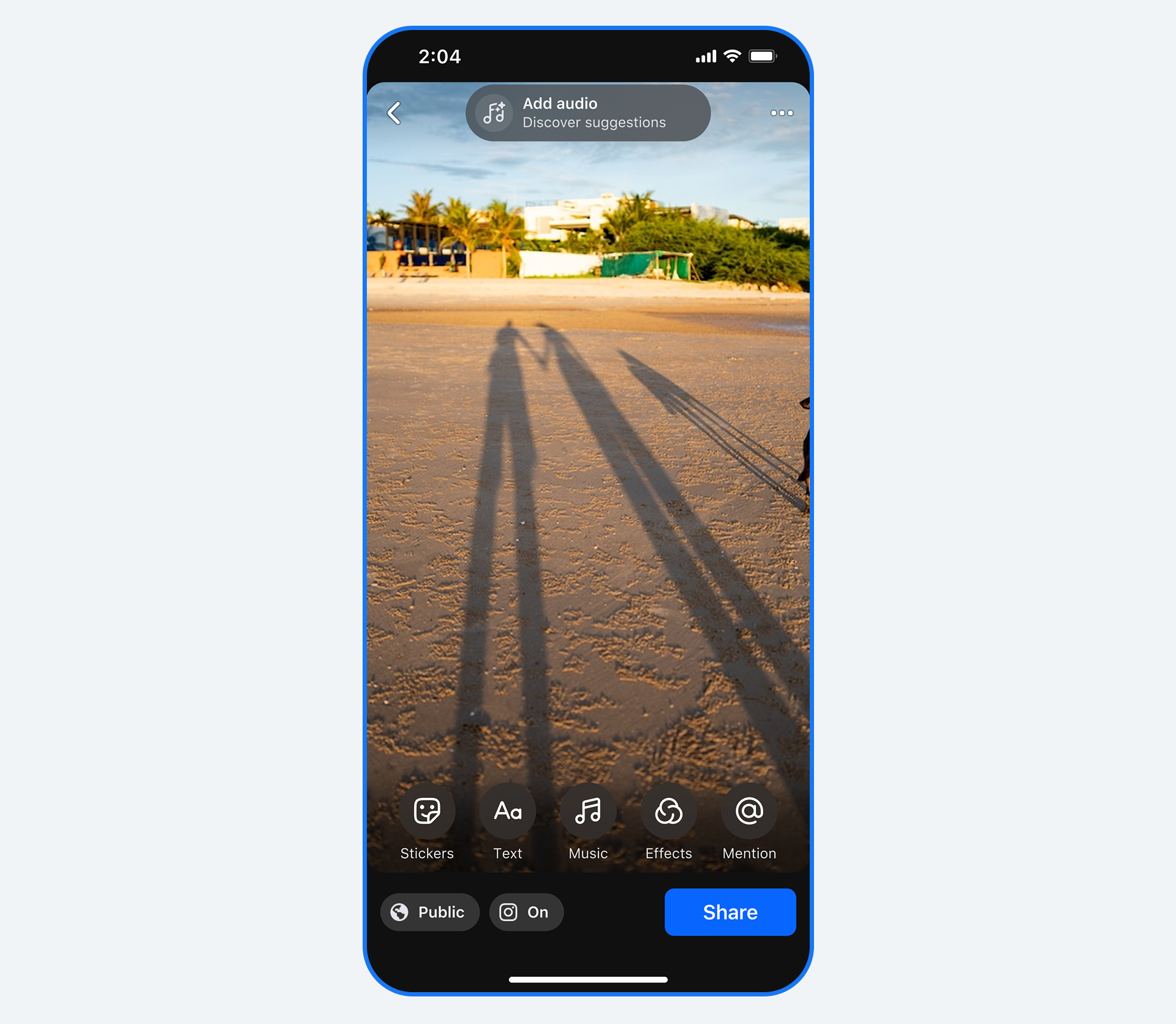
As part of the update, Meta is also revamping Facebook’s content creation tools. Posting a Story or Feed update will now feel ‘smoother’, with the most-used creative tools (like adding music or tagging friends) placed up front for easy access. The company hopes that this will increase activity on the app and even attract more influencers to the platform.
But Meta’s secret weapon in making Facebook a hub for content creators and youngsters is perhaps a surprising one: the Marketplace.
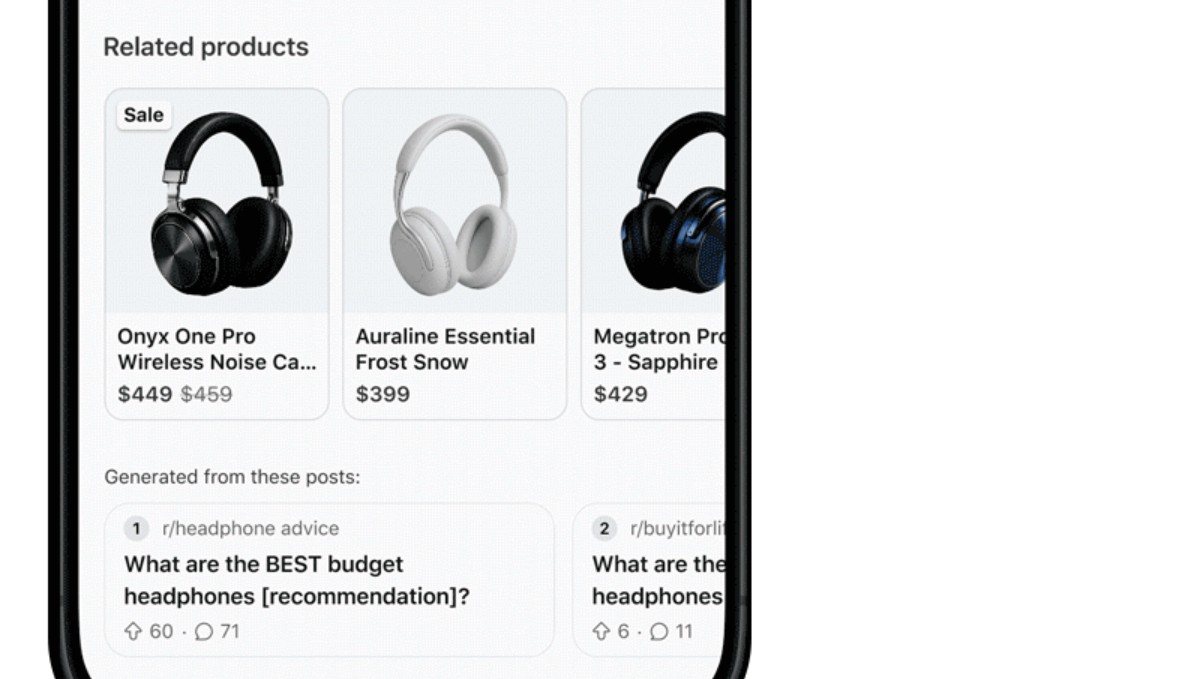
Back in November, Meta announced it was giving Marketplace a ‘glow up’ that included integrating eBay and Poshmark inventory into Marketplace, more AI and an ‘improved’ checkout experience.
And earlier this month, Meta unveiled the Facebook Marketplace Holiday Shop in partnership with Gen Z creators like Tay BeBoop (who has almost 700,000 followers) and April Lockhart (who has 50,000 followers). The creators curate listings of Marketplace finds across product categories popular with Gen Z shoppers, such as fashion and electronics.
Marketplace’s new position in the main Facebook tab bar (see above) signals its importance for Meta. The company hopes to capitalise on Marketplace’s popularity — it is used by ‘one out of four’ young adult daily users in North America, according to Meta — to entice Gen Z to use Facebook more widely. While the logic of going for relevance is clear, there are some who think perhaps the platform should celebrate what it is rather than what it isn’t.
Aengus Boyle, the vice president at ad agency VaynerMedia, noted the strength of Facebook in an interview with MediaCat earlier this year. He said: ‘Facebook has kind of been forgotten, and people are really sleeping on it’, and that ‘even if it does skew a bit older, that older skew tends to be towards higher value consumers, given the nature of how age and life progression works.’
Singh added: ‘Facebook doesn’t need to be “cool” to be effective. It just needs to be functional. Advertisers should treat Facebook like they treat TV ads or search engine marketing. It’s not sexy, but it works.’
Main image created by Google Gemini