


Pokémon doesn’t shout for attention in children’s lives in the way many modern franchises do. It isn’t always the first thing they encounter, or the most visible. Instead, it tends to be sought out. Picked up, put down, and returned to. It’s a dynamic that has allowed Pokémon to remain culturally relevant without constant reinvention. By staying close to its original ideas and expanding carefully, it has avoided the peaks and drop-offs that often follow louder moments of popularity.
This familiarity also underpins its commercial strength. Nearly thirty years in, Pokémon remains the highest-grossing media franchise in the world, with lifetime revenues estimated at more than $147bn. What matters is how evenly that value has been built. Over the past year, global retail sales of Pokémon licensed products are estimated at around $12bn, with momentum coming from merchandise and trading cards rather than singular cultural moments. The brand grows through repetition. It earns its place by showing up reliably, year after year, in small ways that accumulate over time.
Pokémon was built to be met, not discovered
From the beginning, Pokémon was designed as a world rather than a product. The cartoon, trading cards and video games launched together, each offering children a different way in. The TV show created familiarity, and the cards travelled through school bags and playgrounds. Nintendo’s involvement anchored the franchise in gaming early, with more than 100 Pokémon titles released across its platforms over time.
That spread still matters. Children encounter Pokémon in different places, at different depths, and in their own order. Some start with a new game at Christmas, others trading cards at school breaktime. There is no pressure to understand everything straight away. Pokémon allows curiosity to build gradually, which helps the world feel welcoming rather than overwhelming, even as it continues to expand.
Collecting is the emotional engine
Once inside that world, Pokémon leans into something deeply intuitive. The satisfaction of collecting, completing and competing. “Gotta catch ’em all” still holds because it mirrors how children naturally approach play. Character design supports that instinct, where each Pokémon is distinctive, readable, and easy to remember. This progress and growth feels visible and earned.
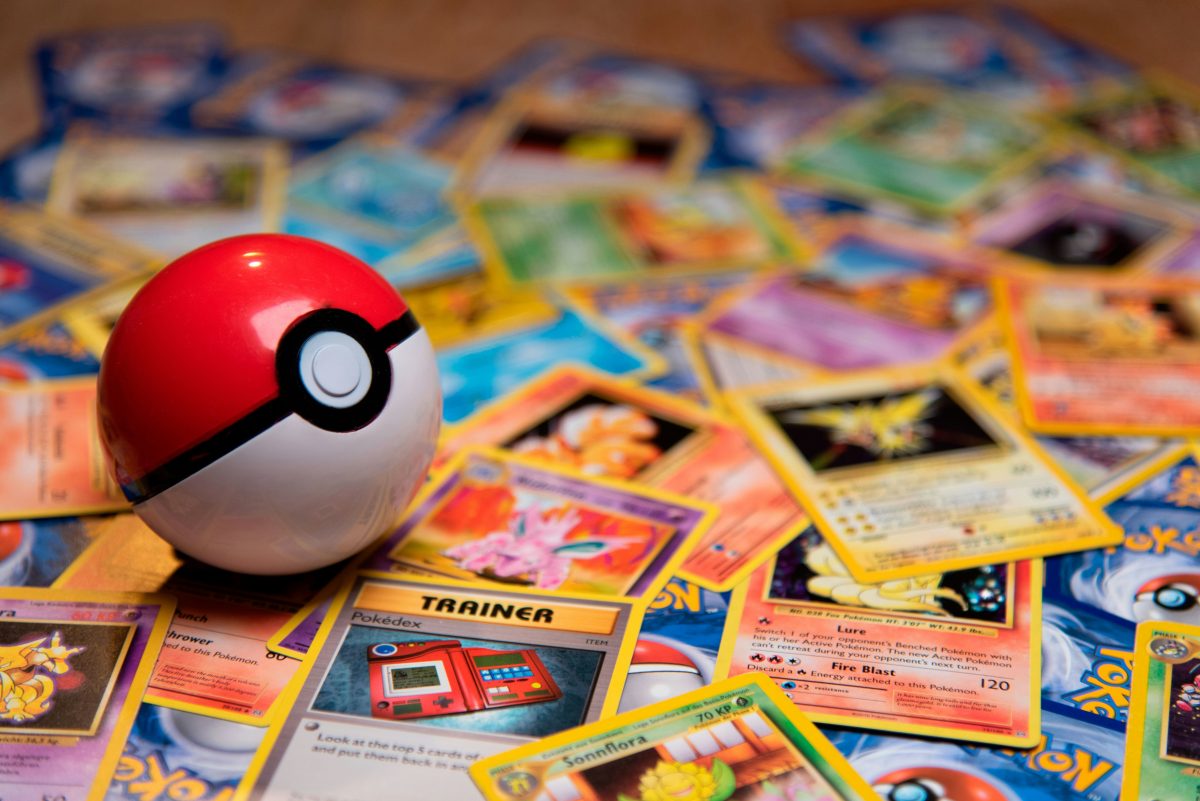
The trading card game brings that instinct into something physical. In 2024, global Pokémon TCG sales are estimated to have generated close to $2bn, supported by children opening packs and older fans participating in collector culture and resale markets.
For younger audiences, the appeal is straightforward. The cards can be held, traded, organised, compared. They create moments of ownership that feel small, personal and repeatable, rather than fleeting.
Pokémon’s approach to digital formats follows the same logic. Pokémon Go’s launch in 2016 pushed augmented reality into the mainstream earlier than most franchises attempted. Its peak was brief, but its effect lingered. It brought former players back, gave parents a shared reference point with their children, and expanded the sense of where Pokémon could exist. Even now, it remains one of the highest-grossing mobile games globally, which speaks to the durability of the idea rather than the novelty of the technology.
Why Pokémon rarely overreaches
Comparisons with Disney are inevitable, but Pokémon operates with a different kind of discipline. Like Disney, it relies on transmedia storytelling and fandom. Its expansion, however, is tightly managed. Co-owned by Nintendo, Game Freak and Creatures, the brand is selectively licensed and carefully protected. Collaborations are deliberate. New products are tested against whether they feel consistent with the world, not just whether they will travel far.
That restraint has helped Pokémon avoid the sense of fatigue that can creep into global franchises. It rarely feels like it is chasing relevance or reacting to trends. There is confidence in letting interest build naturally, and in trusting the audience to return without constant prompting or reinvention.
Its greatest commercial advantage sits in that long view. Children who grew up with Pokémon in the 1990s now share it with their own kids, but the franchise continues to create new characters, mechanics and stories for the present moment. The past adds texture rather than doing the work.
Looking ahead, the opportunity lies in steady extension. Advances in AR, continued growth in gaming, and expansion into fashion and lifestyle all align naturally with Pokémon’s core ideas of exploration and progression. The surface changes. The logic stays intact.
For marketers, Pokémon offers a useful reminder. Cultural relevance compounds when it is protected and allowed to develop at its own pace. The characters may have evolved many times over the years, but the real evolution was learning how to stay part of childhood without ever demanding attention for doing so.