


What if you were told that the most effective, integrated advertising campaign of the year wasn’t for a car, a bank, or a new smartphone, but was from an industry many marketers still dismiss as a niche passion for teenagers in their bedrooms?
The gaming industry has quietly become a titan. With global market value expected to reach $281 billion by the end of the year according to projections from BCG, it dwarfs other entertainment industries, but there’s still a significant gap between where audiences spend their time and where advertisers spend their money.
Our Media Reactions study shows that 60% of consumers globally are exposed to advertising in online or mobile games, but only 32% of marketers plan to increase their investment in the channel in 2026. This hesitation is often rooted in a perception of gaming ads being intrusive and disruptive, largely born from the early days of mobile gaming, where experiences could be overloaded with low-quality banner ads and pop-ups. This is not to say the media owners of the gaming industry have fully resolved this issue, as smaller mobile games are still inundated by promos and intrusive ads, but in recent years, many premium gaming environments for advertising have popped up as well.
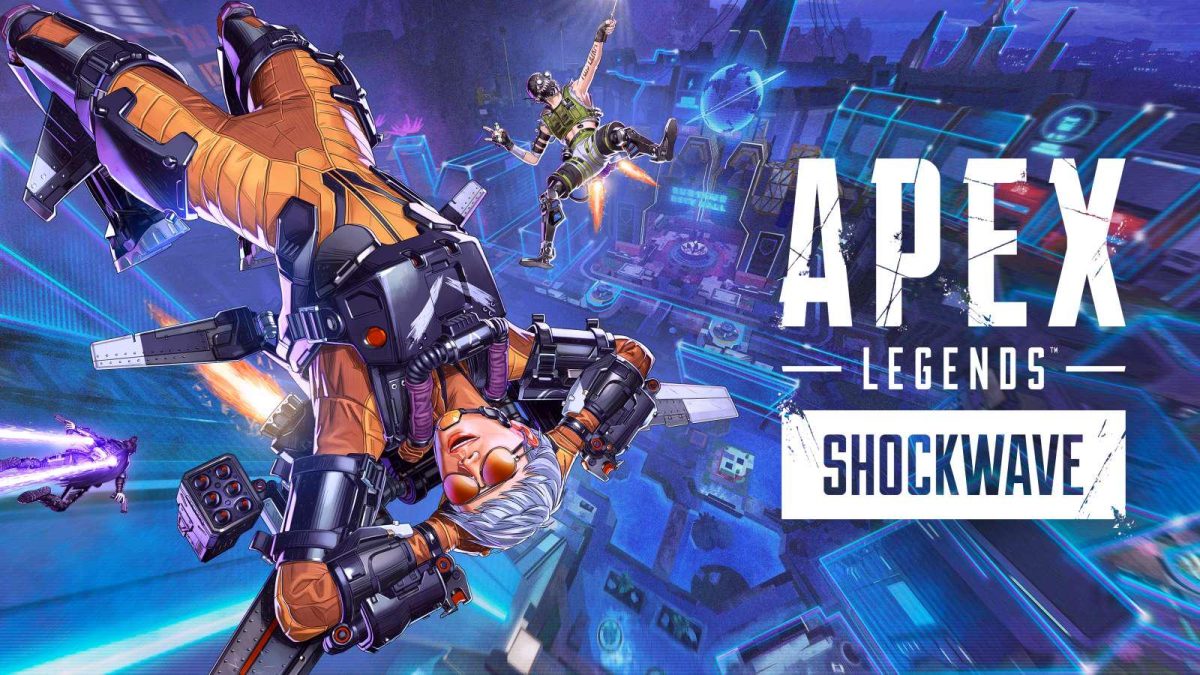
Against this evolving backdrop, effective campaigns don’t always fit the traditional mould — as demonstrated by gaming brand Electronic Arts’ Apex Legends, which was crowned the inaugural winner of the Most Effective Campaign award at the 2026 Kantar Advertising Effectiveness Awards.
A masterclass in modern media
The S22 Apex Legends campaign in Japan was the most effective among all campaigns measured by Kantar globally in 2025.
Not only did it advertise a game, it took advantage of gaming platforms to reach its audience.
Notably, the media plan had no room for broadcast TV. In a strategic move, the team decided to bypass traditional channels. The lead channel was PlayStation — the heart of the gaming experience where players are already immersed and engaged. This core activation was supported by a carefully orchestrated blend of channels, comprising mainly streaming platforms and social media. The team identified these by measuring previous campaigns, analysing performance data, and reallocating budget to the channels that delivered the highest impact and return on investment.
The creative was both cohesive and effective. Assets were designed to work together across the media ecosystem, creating an amplified brand impact as consumers encountered the campaign on multiple, complementary fronts. A character reveal on social media might drive players to a story-driven trailer on YouTube, which in turn would be echoed in the loading screens and promotional placements within the PlayStation dashboard itself. It was a textbook example of planning channels to work together, breaking down traditional media silos to build a narrative that felt both inescapable and personal to gamers.
Debunking the gamer myth
As of 2026, there are over 3.3 billion gamers globally, according to Semrush. Nearly 80% of players are adults, with women making up almost half (45%) of the player base. It’s a timely reminder that this is not a niche audience.
The strategic brilliance of the Apex Legends campaign shows that gaming ads can carry a campaign to success. As marketers rely less on broadcast TV, they can use gaming as the central part of their plan, combining it with streaming and social media to connect with people where they are most engaged – in an activity they are enjoying in their own time.
So, what can we learn from this?
- Let gaming lead the way: For too long, gaming has been an experimental add-on, with marketers sometimes dismissing the channel for fear of overloading the consumer. Electronic Arts proves it can be the backbone of a major campaign. Consider whether a gaming console could be as powerful a channel as a TV network for your campaign, especially when paired with a digital-first ecosystem.
- Perfect the placement: Gamers are fiercely protective of their immersive experiences. The key is to add value, not interrupt, through, for example, authentic and native placements, like branded billboards in a virtual city or a sponsored in-game item. Create premium, cohesive assets that feel like part of the world, rather than an unwelcome intrusion. And remember that games themselves aren’t the only place you can advertise in the gaming industry. A platform like PlayStation can also be a relevant placement.
- Evolve with data: Don’t reinvent the wheel – evolve what’s already there. The most crucial lesson is to let data, not intuition, guide your media plan. In a fragmented market, testing and learning is essential. Choose your channels with discernment. A token budget on a hot new platform with weak creative won’t move the needle. True ROI comes from identifying the right environment for your objective and investing in it with the same seriousness you would any other premium platform.