


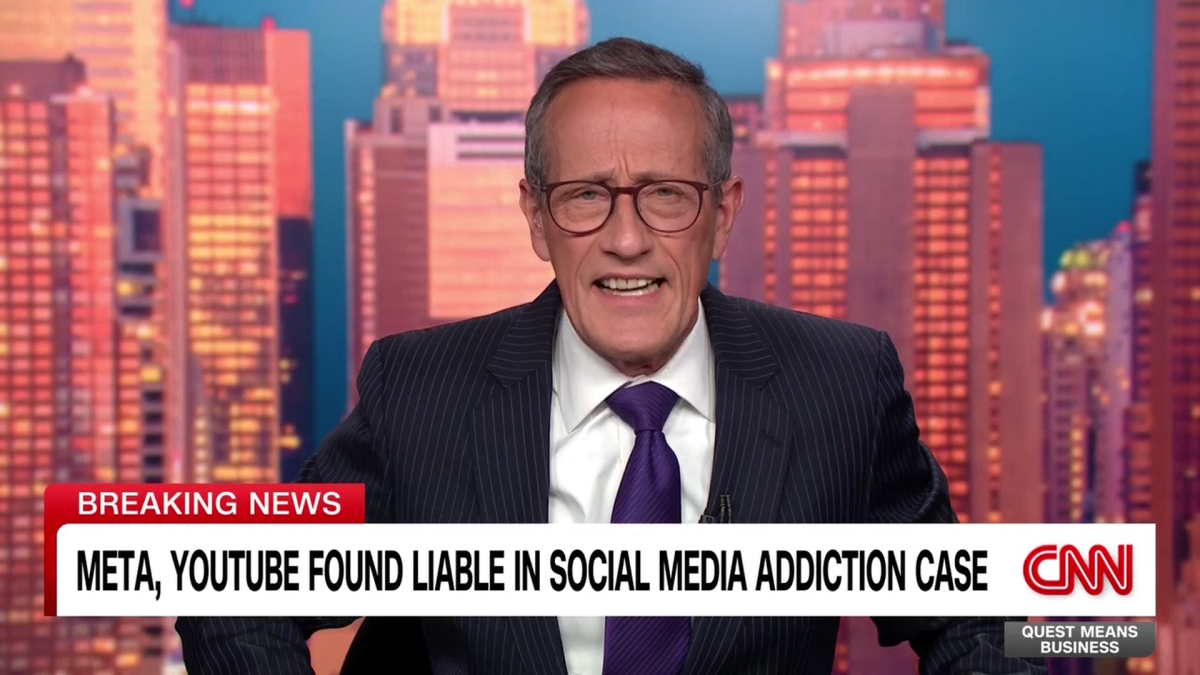
Accountability came late for social media platforms, and still they were not ready for it.
Yesterday, a Los Angeles jury found Instagram owner Meta and YouTube were negligent in providing no warning that their products could harm young people, and awarded $6m (including $3m in punitive damages) to a plaintiff who claimed that the platforms, which she had been using since she was six years old, contributed to her poor mental health. Meta will be required to pay 70% of the damages, and Google (which owns YouTube) is liable for the rest.
The decision has been hailed as a landmark because it weakens the shield with which social media companies in the US have successfully deflected attempts to make them responsible for the harms caused by their platforms.
For over two decades, social media companies in the US have used Section 230 of the Communications Decency Act to argue that they are not responsible for content posted on their platforms by users.
In this case, however, lawyers for the plaintiff argued that the way these companies designed their platforms — with infinite scrolls, auto-play and algorithmic recommendations — was addicting and harmful to children, and that they were liable for their own product architecture. The jury agreed by a majority of 10-2 on the platforms negligence regarding design, foreseeability and harm to the plaintiff, according to California’s Daily Journal.
The decision comes amid a growing awareness of the harms caused by social media, and a global push for tighter regulation of platforms, including outright bans for under 16s in Australia and Spain.
Still, there are those — even outside of big tech — who are unhappy about the implications of the decision of the Los Angeles trial.
Nico Perrino, executive vice president at the Foundation for Individual Rights and Expression, posted on X that ‘how you design and display your speech product is an editorial choice integral to the speech itself’, and should be protected by the First Amendment of the US Constitution.
Spokespeople for Meta and Google have both said that they intend to appeal the decision. TikTok and Snap were also included in the early stages of the same test case, but chose to settle before trial.
The day before the Los Angeles jury returned their verdict, Meta lost another case, in New Mexico, in which a jury found the company liable to pay $375m for violating New Mexico’s consumer protections law by misleading consumers about the safety of its platforms and enabling harm, including child sexual exploitation against its users.