


The most discussed media idea in Cannes that didn’t win anything was AB InBev’s ‘Armchair Quarterback’ — a Bud Light campaign built around Netflix’s Quarterback docuseries. It may have been absent from the Media winners list, but there was plenty of talk around the festival about what it might signal. The work itself is hardly ground-breaking, it was a fairly standard parody of the show with QR codes chucked in, but it perhaps gave the best signal, and biggest hope, for the future of media.
This is the first Cannes Lions since Netflix and AB InBev signed a Global Brand Partnership to collaborate on live events. For agencies, that is a more consequential development than another clever piece of branded content. Netflix is not the only platform moving this way. YouTube wants to be television. Social platforms are cutting organic reach and building out ad products. Retailers have media networks.
The platforms that once looked likely to disintermediate agencies are starting to resemble media owners: powerful, fragmented, commercially ambitious and, from a client’s point of view, difficult to navigate. Maybe that’s why media agencies at Cannes seemed the most secure in years — because they now have a clear purpose to simplify media for their clients.
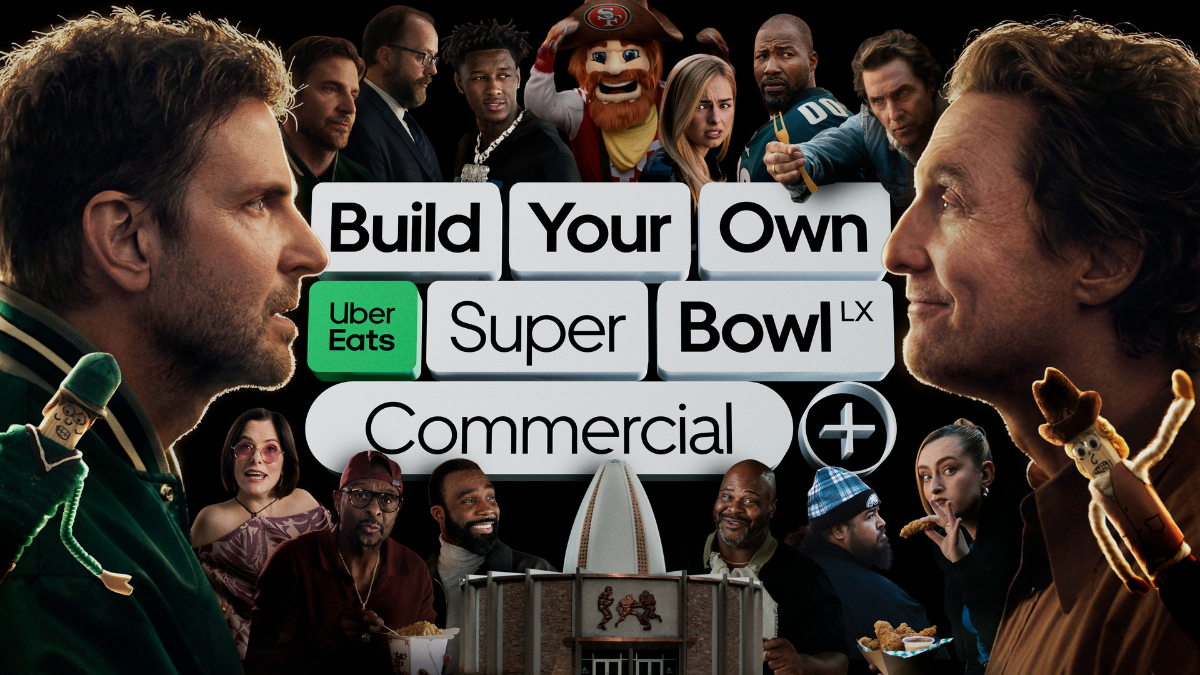
It may have generated less chatter, but the Media Grand Prix winner certainly went to a more innovative piece of work: Uber Eats’ ‘Build Your Own Super Bowl’. The brand ran the expected Big Game film, starring Matthew McConaughey, Bradley Cooper and Parker Posey, but the award-winning part was that Uber Eats offered viewers the chance to make their own version of the commercial in the app, choosing scenes and celebrity cameos from more than 36 hours of footage. There were more than 1,000 possible combinations.
Sindhuja Rai, chief client officer at WPP Media and president of the Media jury, said the campaign ‘collapsed the funnel’, reflecting what consumers expect from brands today. The Super Bowl ad did not sit at the top of a media plan, building awareness while some separate performance mechanism tried to turn that awareness into action. It took people from entertainment to participation to product in one go.
Rai also said Uber Eats did not just drive people to the product; it changed the product. The app became part of the campaign, not merely the place where the campaign hoped to land. That is a riskier proposition than putting a QR code on screen. It requires the creative, the media plan, the technology and the product team to be working from the same brief.
That was the pattern across the category, according to Rai: creative and media working together; technology doing useful work in the background; more participation and personalisation; and evidence that the work affected the business, not just the conversation.
Uber Eats is an unusually lavish example. Not every brand has a Super Bowl budget, an app used by millions or 36 hours of celebrity footage. But its win, alongside the Netflix-AB InBev partnership, points in the same direction. Media is becoming less about choosing a channel for a campaign and more about joining up platforms, products and audiences in ways clients can actually use.
You can see all the Grand Prix winning campaigns from Cannes Lions here.