













A paper in Marketing Letters has quantified how and when location-targeted mobile ads work on shoppers.
The study used data from an unnamed subscription platform which sends promotional messages to members when they are in specific locations.
Most of the promotional messages observed by the researchers were sent while customers were in stores: 44% were delivered in individual stores and 40% in shopping centres, while 26% were sent to people while they were in education campuses, parks and subway stations.
The headline finding was that geolocation doesn’t just allow brands to target people who are more likely to redeem a promotion, but that people are more receptive to receiving promotional messages in general when they are in what the study describes as a ‘shopping-oriented mindset’.
‘We pose that geolocation information helps to identify and reach customers who are predisposed to receive promotional information in what we call shopping mode. This is a novel finding that complements our understanding of the reasons why location-based marketing can be effective.’
A ‘significant part of the effect’ of geo-targetted messages (between 27.4% and 30.7%) came from the early stages of the promotional funnel, which in this instance meant when messages were first sent to shoppers, typically before they had learned about the specifics of the promotion.
The study also found messages sent to consumers geolocated by a Bluetooth beacon in or near the relevant store were far more effective than regular geolocated messages. Of the 651 messages delivered through a beacon, 8.29% were redeemed, compared with 4.55% of the 61,994 sent by traditional geofencing.
The vast majority (302,000) of the messages analysed were push notifications, meaning messages that were sent on the impetus of the advertiser in response to knowledge of the shopper’s location. However, the study also measured the effectiveness of 3,900 pull notifications — those initiated by a request from the shopper — and found that they were more likely to be redeemed, with a conversion rate of 7.05%, compared with 1.22%.
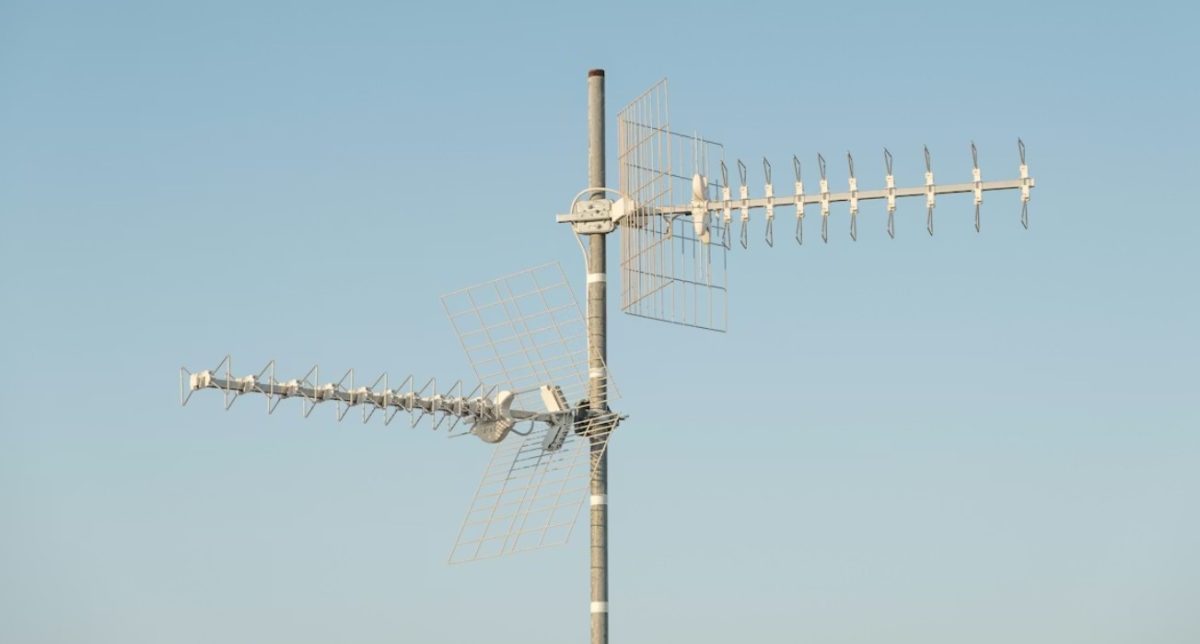
Asked about the accuracy of geolocation technology, lead researcher Marcel Goic told MediaCat:‘The precision of some of these technologies depends on the density of the infrastructure. For instance, if location is tracked via wifi antennas, precision will depend on how dense the location of those antennas. Having said that, I would say that typical precision is the range of 5-20 meters. This is enough to detect if customers enter relatively large stores for relatively long periods of time. For instance, technology is fairly precise in detecting if a device visited a supermarket, but it is not precise enough to detect if a customer visited a small shop for 10 seconds.
Image by Nassim Wahba.
The full study is entitled ‘The value of geolocation information across the promotion funnel‘ by Marcel Goic, Jose A. Guajardo & Liye Ma. It can be found here.