










Google is making its play to own the infrastructure that underpins agentic commerce.
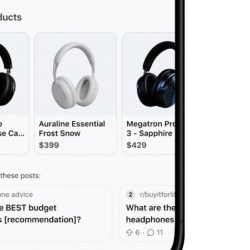
At the National Retail Federation’s annual event in New York on 11 January, Google unveiled an array of new tools to help retailers reach people using AI for product research.
The announcements come one month after Google rubbished Adweek’s report that it was going to introduce ads to its Gemini App as ‘inaccurate’.
Technically, Google’s denial is still accurate, but it now seems a bit disingenuous, in light of Sunday’s news.
The headline was that Google has created a Universal Commerce Protocol (UCP), a framework that it says allows AI agents to share information across different surfaces and stages of the purchase, meaning that consumers feel like they’re communicating with the same agent from start to finish.
In a blog post, Google also outlined three specific AI shopping features that will become available to retailers.
- Checkout: Shoppers will be able to purchase directly from eligible US retailers while using AI Mode in Search and the Gemini App. To begin, shoppers will only be able to buy with Google Pay, but Google says that it will soon add an option to use PayPal.
- Direct Offers: A new format being piloted that allows advertisers to show discounts and other deals to people using Google’s AI Mode, which consumers can redeem without leaving the page.
- Business Agents: Eligible US retailers can use Google’s technology to create an AI agent that answers consumer queries within Search in the brand’s own voice. According to Google, retailers will, in the coming months, ‘be able to train the agent based on their data, access new customer insights, provide offers for related products and enable direct purchases — including agentic checkout — within the experience.’
Google stated that retailers will remain the seller of record in transactions enabled by the UCP, meaning that the brands will still be legally responsible for the products and services sold.
But for all intents and purposes, the UCP positions Google more as an internet storefront. It is Google’s algorithm, after all, that will decide which products to show users.
And it’s new checkout tools bridge the gap between discovery and purchase which, by the same token, creates more distance between brands and consumers.
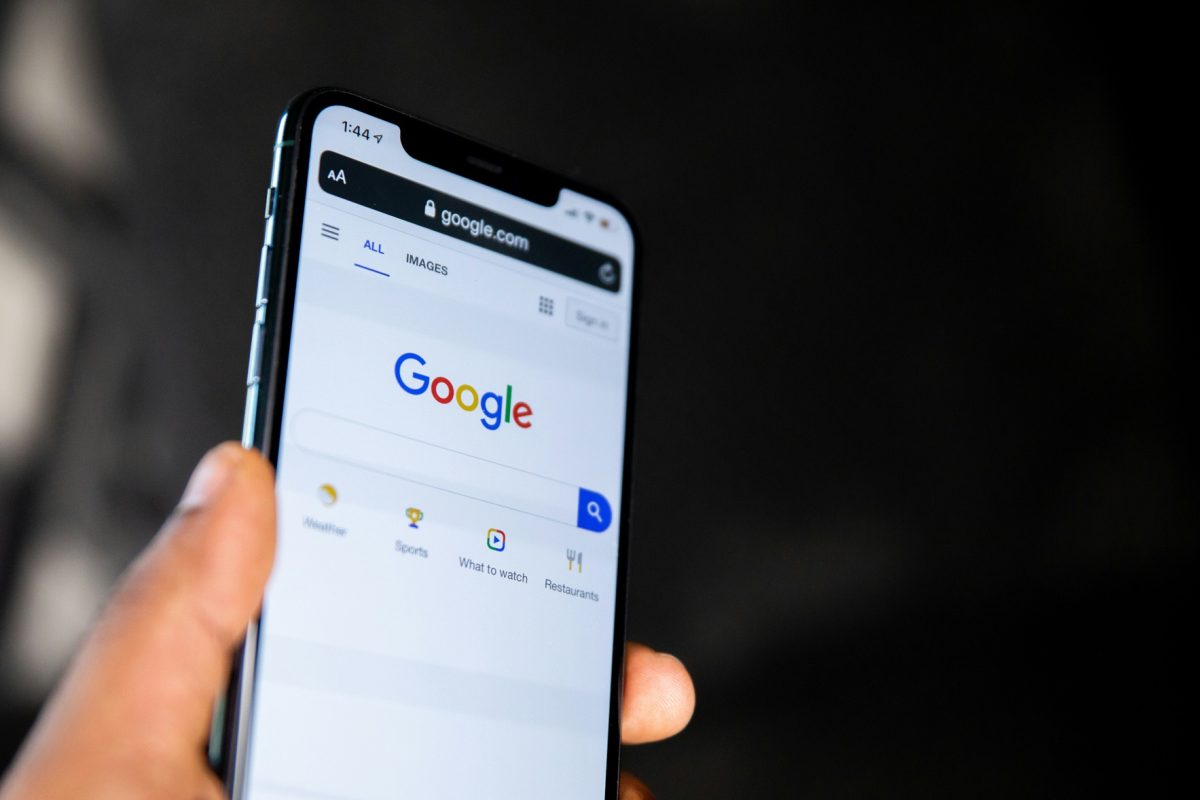
Main image by Photo by Solen Feyissa on Unsplash