







2026 will be the global box office’s strongest year since before the pandemic, according to Gower Street Analytics, which forecasts that revenue will increase 5% year-on-year, to $35bn.
The restrictions instituted as a result of the spread of Covid-19 caused global box office takings plummet from $42bn in 2019 to $12bn in 2020, and sales haven’t passed $34bn since then.
But Rob Mitchell, Gower Street’s director of theatrical insights, told Deadline that ‘an incredibly strong franchise-led release calendar’ — including new installments of Scream, Avengers, and The Fockers — was driving growth in 2026.
Meanwhile, a recent report by Fandango asserts that Gen Z are visiting the cinema an average of seven times a year, making them the most frequent moviegoers of any age group. Approximately 87% of Gen Z respondents had seen at least one film in a theatre in recent months, compared with 82% of millennials, 70% of Gen X, and 58% of baby boomers.
The data suggests that Gen Z occupy a larger share of the cinemagoing market than previous generations did at the same age, with older audiences now preferring the comfort of streaming at home.
Brands are noticing this dynamic and moving quickly to capitalise on it, says Michael Tull, head of strategy and insight at DCM.
‘Our core positioning for cinema is 16–34-year-olds which make up around 50% of cinemagoers,’ he said. He added that cinema provides an ‘unprecedented’ level of reach to this demographic, making it ‘an incredible strength’ for the medium as linear TV viewership amongst younger audiences declines.
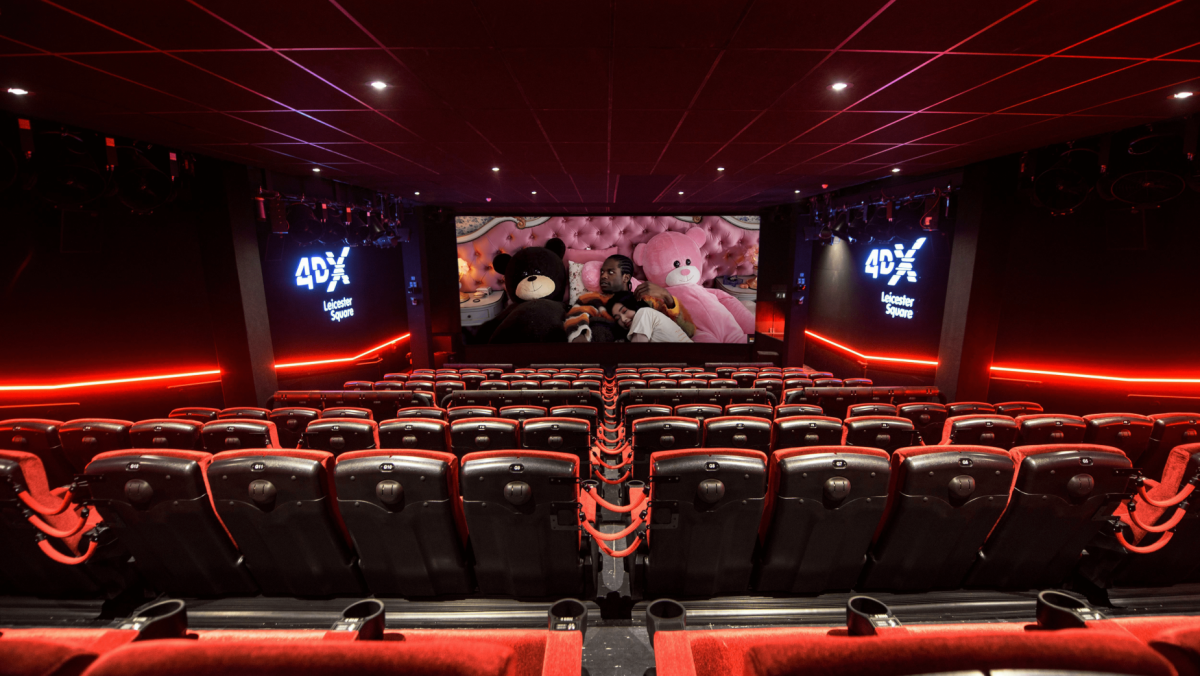
Tull adds that cinema is used by brands to reach an ‘attentive’ young adult demographic, citing a recent campaign by Unilever for Lynx in 4DX, Cineworld’s immersive cinema offering. The campaign — which DCM Studios worked on — recreated the deodorant brand’s cherry scent and sprayed it on the cinema audience during an ad.
‘It’s not just consumer brands,’ he added. ‘The government has targeted under 35s in cinema with its Navy, RAF and Teachers campaigns, all designed to drive recruitment. The RAF’s campaign also ran a 4DX advertisement, and [the military branch] has sponsored cinemas for more than two consecutive years.’
The increase in government adverts and premium brands in cinemas is part of what Tull called ‘a real shift’ in how cinema advertising is viewed.
He explained: ‘Of course, repurposed TV ads are still highly effective on the big screen, but brands are increasingly harnessing the entire cinema environment with bespoke content.’
One example is the Turn Your Phone Off (TYPO) messaging, a standard slot in every cinema ad reel. Over the past two years, this slot has evolved into a prime opportunity for brands. Humorous takes on these warnings have proven popular; last year, TYPO spots generated £3 million in revenue from brands including Google Pixel, Specsavers, and Paramount.
Tull also noted that families have become an ‘extended demographic’ of high value. ‘Families that regularly attend the cinema skew heavily in the ABC1 category and tend to spend much more than non-cinemagoing families across key consumer categories,’ he explained.
Asked about which major brands are prioritising cinema, Tull said: ‘Entertainment brands, such as Disney Plus and Sky, have the biggest alignment in terms of film audiences, and they remain key spenders on the big screen. Automotive is another huge category for cinema. Kia just renewed its sponsorship of all DCM independent cinemas for its fifth year, and Jaguar/Land Rover continues to be a key premium spot spender too. McDonald’s has had tremendous success with a focus on young adult audiences. And government spending from the RAF, Navy and Teachers remains high. Comparison sites including Compare the Market and Confused.com are also some of our biggest spenders in 2026.’
MediaCat previously predicted that He-Man and Avengers Doomsday would be two of the biggest media opportunities of 2026 – and now the data to back us up is in.