



Nike is doubling down on its ‘lots of littles’ approach to brand building, with CEO Elliott Hill saying the company is ‘rewriting our own marketing playbook’.
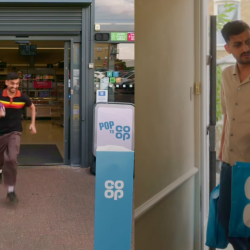
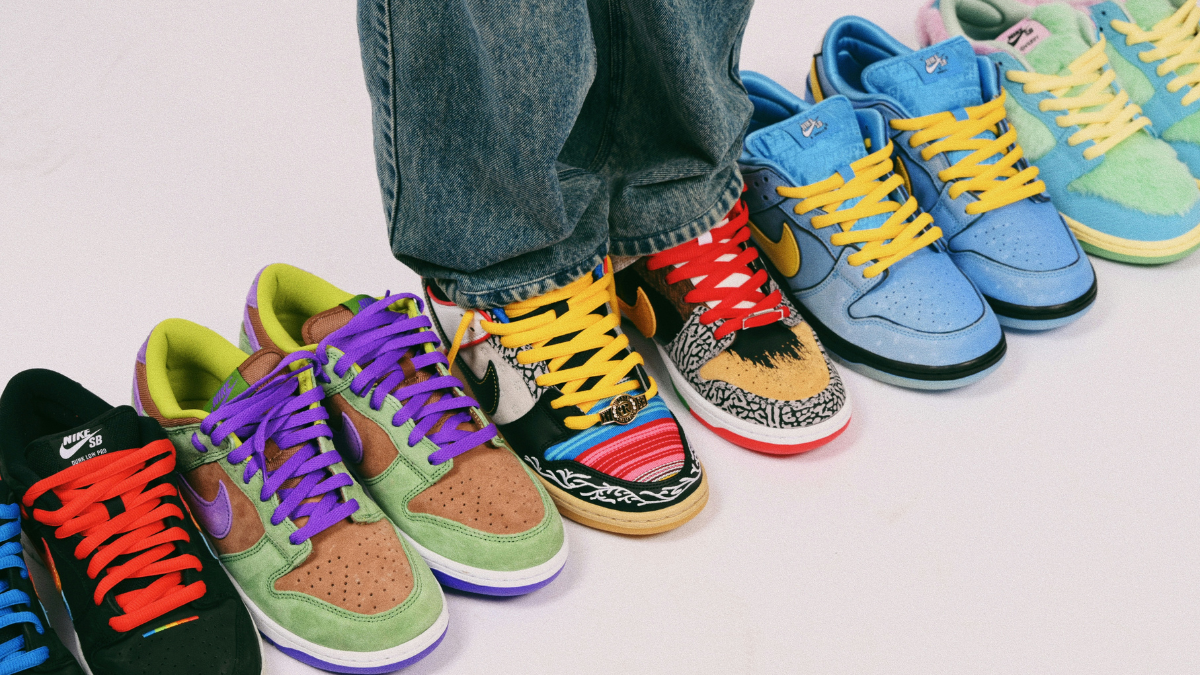
The strategy was on full display during Nike’s World Cup campaign. Rather than relying solely on a hero film, the brand built a three-month ‘12 Weeks of Football’ programme spanning collaborations, product launches and social content.
During an earnings call on 30 June, Hill said: ‘It’s been an incredible few weeks of the World Cup. What feels different this time around is we’re not treating the tournament as a single moment. We’re using it to reshape our business, telling a connected story over time, engaging different communities in relevant ways, and building momentum that carries well beyond the tournament.’
The approach marks a departure from Nike’s traditional reliance on a singular hero ad. While this year’s campaign still included a blockbuster film starring Cristiano Ronaldo, Kylian Mbappé and Kim Kardashian, the broader strategy centred on a ‘lots of littles’ approach. Popularised by marketing economist Dr Grace Kite and Jellyfish’s Tom Roach, this strategy prioritises multiple smaller cultural moments over a single, massive campaign.”
Hill argued the strategy reflects how younger audiences now engage with sport. ‘We built it this way because the next generation wants to engage with sport on their terms, discovering, sharing, and participating in the story as it unfolds,’ he said. ‘Every beat, every story is a doorway, giving different micro-communities their own way in. This is the way to reach scale in today’s culture. By the first week of the World Cup, we had 1.5 billion views of our various stories.’
‘This is about deeply understanding today’s consumers and building modern, meaningful, and innovative connections with them. This is nothing new for Nike. Once again, we’re out front rewriting our own marketing playbook.’
Hill said the strategy extends well beyond the World Cup. While marketing investment at Nike fell 4% in the fourth quarter to $1.2bn, demand creation spending increased 1% across the full year to $4.8bn, as the company shifted resources towards sport-specific communities.
He said: ‘This year, we directed our marketing, social, and communications outreach to build influence across a wide network of sport-specific communities. We did that through our deep portfolio of athletes, creators, and sport partners.
‘Through those networks, we brought energy and a uniquely Nike point of view to sports moments, both big and small. When we lead with sport authentically, consumers respond, and we see that in both internal and external brand tracking. Our focus now is translating that brand strength into healthier demand, cleaner marketplaces, and sustainable growth.’
For the full year, the sportswear brand saw revenue remain flat year-over-year at $46.4bn while net income fell 3% to $3.11bn. Nike said its gross margin increased 8.9% during the quarter, but that was largely due to an expected tariff refund of nearly $986 million.
The results beat expectations, but they also underscored the challenges facing the brand. Nike’s stock dropped 4% after the call, declining more than 35% in 2026 so far, reflecting concerns around its sales drop in China and losing market share to rivals.
Despite the difficult backdrop, Hill insisted Nike’s strategy is laying the foundations for longer-term growth.
‘Overall, the results aren’t there yet. We know we’re not living up to our full potential, particularly in Nike Sportswear and Jordan streetwear, where sell-through remains challenged, impacting both current discounting and future order books.
‘We’re focused on what we can control, bringing each sport together across product, brand, marketplace, and operations, and deepening our connections with athletes, consumers, and partners. When those dimensions connect, they create the Nike multiplier. It’s repeatable and sustainable.’