


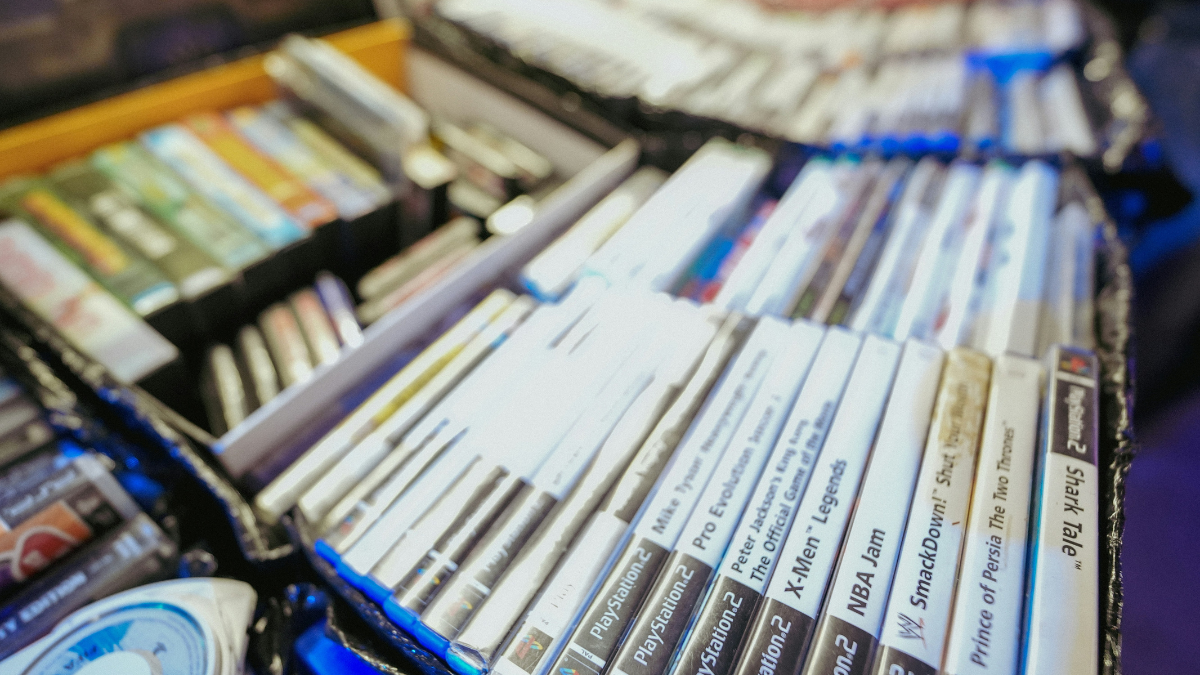
It’s been a rough couple of weeks for people who like to buy second-hand games. First came reports that Grand Theft Auto VI will only be available digitally, with physical boxes containing little more than a download code. Then PlayStation announced it would phase out all physical game releases from 2028.
Sid Shuman, senior director of Sony Interactive Entertainment Content Communications, said the move was the ‘natural direction’, and he’s right. More than one in five PS5 consoles sold in the US are already digital-only models, and 85% of PlayStation games sales in the previous quarter were digital. From music to films to video games, consumers have shown that they value convenience more than they value owning stuff.
But the announcements have potentially greater implications than whether CEX has a future.
In the same week that PlayStation announced that it would stop selling games on discs, the company confirmed that its licensing agreement with StudioCanal had expired, meaning 551 movies previously purchased through the PlayStation Store would no longer be available to watch from September. Users who bought the films will not receive refunds or compensation. That’s the reality of digital ownership: you’re only ever buying a licence, not the media itself.
It’s not just PlayStation, of course. Amazon has previously removed purchased films from customers’ libraries following licensing changes and has faced lawsuits arguing that the ‘Buy’ button misleads consumers into believing they own digital content outright.
Kindle users have also discovered that ebooks can be edited or withdrawn after purchase, most notably when Amazon yoinked copies of Nineteen Eighty-Four from users’ libraries due to a copyright issue.
The digital world is one where we increasingly rent rather than own. And that distinction matters because the shift doesn’t just changed how we pay for media, it potentially changes our relationship with it.
Until recently all mass-produced media could be understood as an artifact. Music, movies, shows, books and games were the products of people in a specific time and place. Once they were put into the world, they did not, for the most part, change. Sometimes that was a good thing and sometimes it was not. But the overall effect was a sense of permanence, and a belief that when something was committed to film or print or broadcast, it was done so with the intention that it should exist in that same form for everyone in perpetuity.
This understanding contributed to trust in advertising, too, because brands that availed themselves of mass media made a public promise that could be relied upon. Or, at least, referred back to.
Is this still the case when people consume, through personalised feeds, media that has no permanent form? Perhaps that’s one reason for the growing sense that culture itself has become more ephemeral and disposable.
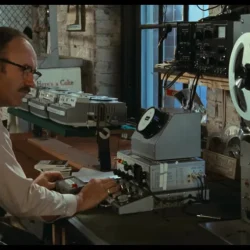
Some people have had enough and seek to return to physical media. Vinyl’s resurgence is well documented, with the format now accounting for nearly 10% of industry revenue, while CDs and cassettes have enjoyed modest revivals. Physical books still account for nearly three-quarters of overall sales and ebooks share of the market has declined since the 2010s. Boutique Blu-ray labels have built loyal audiences among film enthusiasts. Some cinephiles are even returning to DVDs and VHS — with one filmmaker recently making a film only available on the latter format — as a guarantee that the films they love will still be there tomorrow.
Stories about Gen Z ‘reviving’ fading habits often run ahead of the evidence, though. Young people’s supposed re-embrace of Christianity in the US and UK turned out to be nonsense, for instance. Claims that they are taking up smoking in greater numbers do appear to have some validity, however.
So, while there is some momentum behind a youth-driven physical media resurgence, it’s worth being cautious.
Perhaps the biggest beneficiary of the shift in how media is distributed won’t be physical formats but piracy. It offers all the convenience of the digital age without the risk of titles disappearing from your library. So long as you can park the ethical concerns, it’s an attractive proposition. Downloading dodgy copies is only becoming easier to justify, too. As one slogan increasingly doing the rounds online puts it: ‘If buying isn’t owning, then piracy isn’t stealing.’