




Marmite’s new campaign takes advantage of the brain’s fixation with faces to stick in your mind.
The Dishes of Love and Hate campaign by Adam&eve\TBWA uses pictures of dishes cooked with Marmite to highlight its use as an ingredient as well as a condiment. This idea is a response to the falling number of Brits who eat toast for breakfast — down 62% in the last 15 years according to Marmite — and the growing number of home cooks using it to add savouriness to their recipes (up 37%). It’s a tactic that worked for Baileys, with their social-driven campaign convincing more consumers to consider Baileys as a baking ingredient.
Upon closer viewing, all images used in the campaign have happy and angry faces hidden in the food, such as pasta shapes, vegetables and jalapeños, referring to Marmite’s long-held reputation as a food you either love or hate.
But the images, which are appearing in OOH and print ads across the UK throughout this month, do more than remind viewers of Marmite’s polarising flavour. They also make the ads more memorable.
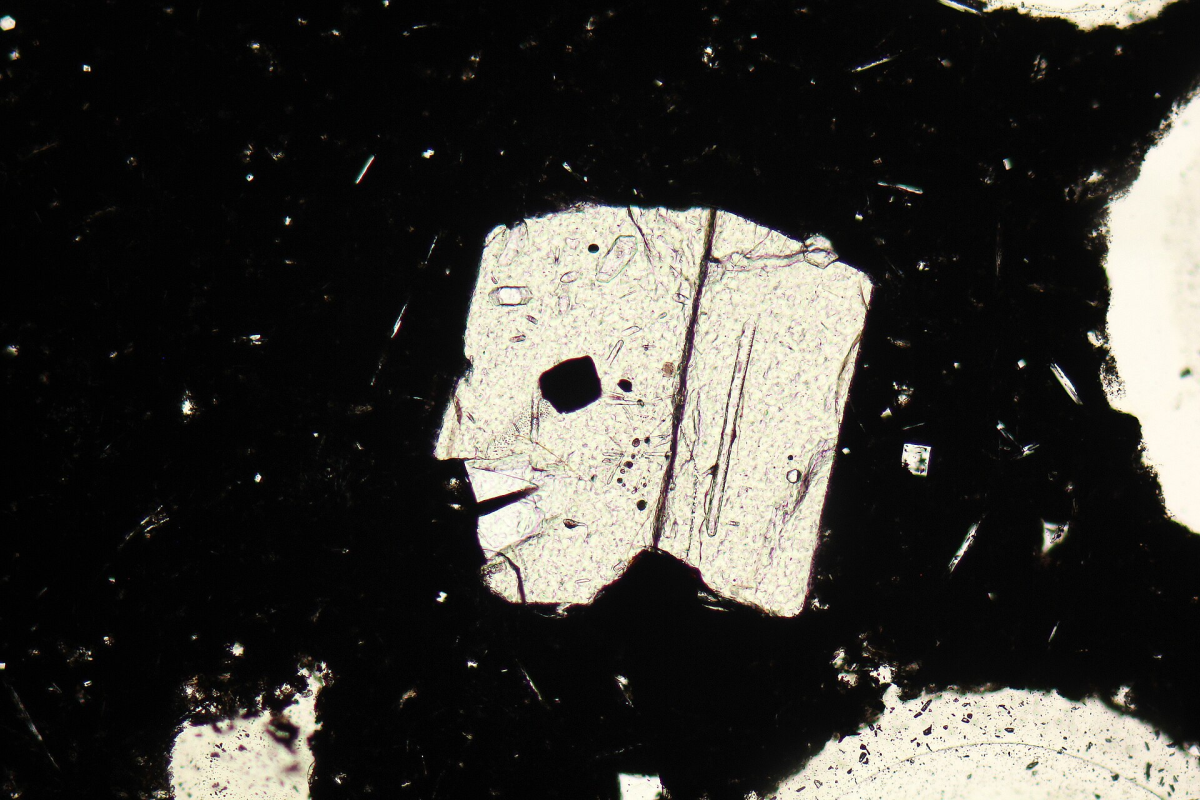
Pareidolia refers to the ability of the human brain to identify patterns and shapes in meaningless data and images. In particular, people are hard-wired to see faces, and can find them in anything from microscopic crystals to coffee froth.

The phenomenon is well-known, but recent research has identified another effect of these ‘illusory faces’.
An experiment by researchers at Bar Ilan University compared the memorability of images containing illusory faces, images of the same content without the faces, images of unrelated outdoor scenes and of unrelated faces. It found that the memorability of illusory face images was more than 10% higher than that of the same content without faces, regardless of whether the ‘faceness’ of the images was low or high. This might seem obvious — research has consistently shown that faces are more memorable than any other object — but the same experiment also found that ‘illusory faces in objects are remembered even better than real human faces’.
The researchers argue that this is because of the amount of processing power the brain needs to identify these illusory faces through pareidolia, as well as the unusual experience of seeing these faces making it stick more in the viewer’s memory.
The exaggeratedly happy and sad faces in Marmite’s campaign may also be a factor. The paper states that illusory faces that have an emotional expression create an affective memory, which makes people remember them more than other images.
So, if you find that you can still see the image from the top of this article in your mind’s eye, it’s not because those jalapeños are creepy-looking. Or at least, not just that. It’s because Marmite is using them to piggyback into your brain.
Illusory faces are remembered more than human faces was written by Olga Kreichman, Limor Brook, Susan G. Wardle and Sharon Gilaie-Dotan and published as a preprint on ODF on 7 April 2026.